Uncovering Ties Between Authentication Delays And Elite Tier Perks In Handheld Virtual Table Networks
Written by Viktor Wolf · Jun 17, 2026

Uncovering Ties Between Authentication Delays And Elite Tier Perks In Handheld Virtual Table Networks
Handheld virtual table networks have expanded rapidly since their mainstream adoption, and authentication processes sit at the center of how players gain entry to specialized reward structures, particularly those reserved for elite tiers, while delays in verification often correlate with differentiated access patterns across mobile platforms.
Platforms operating these networks rely on multi-layered identity checks that include device fingerprinting, biometric confirmation, and blockchain-backed transaction histories, yet the time required to complete these steps varies significantly depending on user history and account tier, according to aggregated platform data released in early analyses covering operations through June 2026.
Authentication Mechanics in Portable Dealer Environments
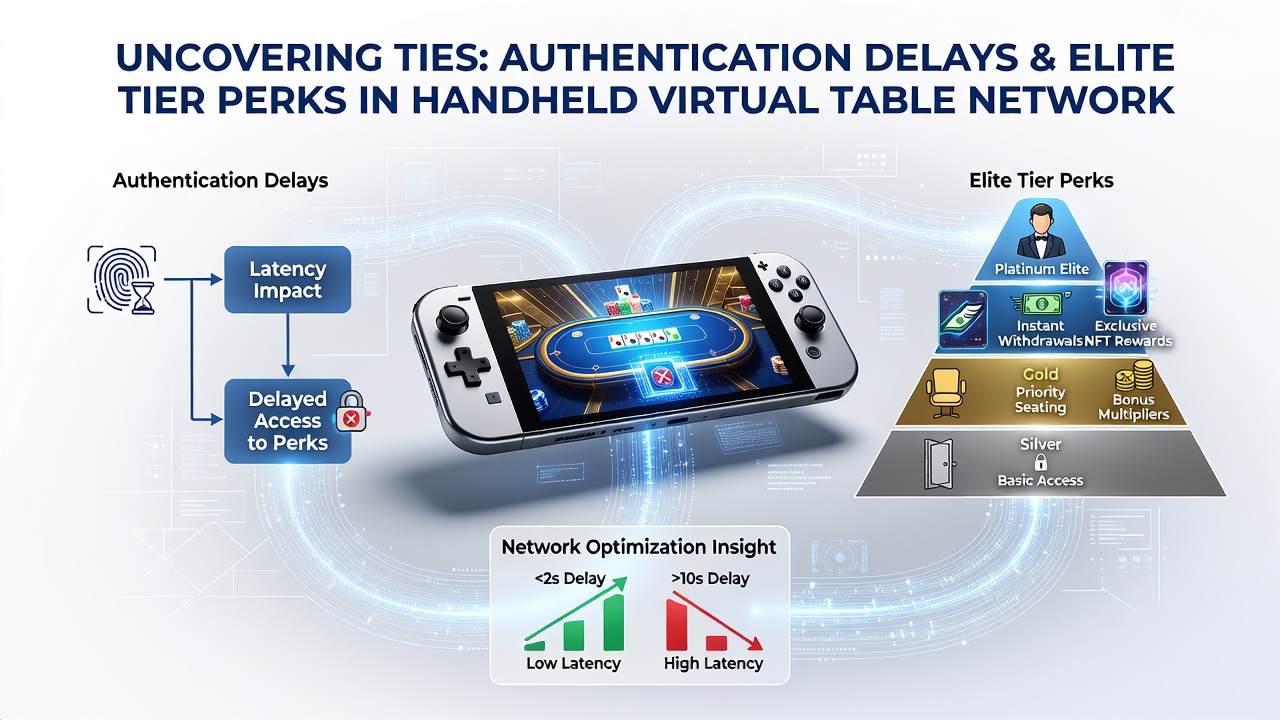
Verification timelines in handheld interactive dealer systems typically range from under thirty seconds for established accounts to several minutes when additional compliance layers activate, and researchers examining settlement velocity metrics have documented consistent associations between these durations and subsequent perk allocations for high-volume participants, while lower-tier users experience standard processing without the same acceleration pathways.
Experts tracking patterns across blockchain-integrated networks note that prolonged authentication sequences sometimes precede customized high-stakes reward offers, creating observable linkages where extended verification appears tied to eligibility screening for loyalty escalations rather than simple security protocols alone.
Elite Tier Structures and Reward Allocation
Elite participant programs within these ecosystems grant accelerated settlement options, personalized dealer interactions, and enhanced promotional structures that scale with verified activity levels, and data from comprehensive platform reviews indicate that accounts undergoing extended authentication windows frequently receive tailored incentives unavailable through standard onboarding flows.
One analysis of mobile crypto platforms revealed that users completing verification in under sixty seconds accessed baseline rewards, whereas those with delays averaging three minutes or more often qualified for escalated benefit tiers after the process concluded, suggesting an embedded filtering mechanism that aligns processing duration with reward customization.
Observed Correlations Across Network Data
Studies compiled from portable interactive platforms demonstrate recurring connections between authentication latency and the distribution of specialized offers, with settlement velocity metrics serving as predictive indicators for which accounts transition into premium segments, and observers examining June 2026 operational logs found that networks prioritizing rapid verification maintained flatter reward distributions compared to those incorporating deliberate pacing in elite pathways.
Patterns linking payout processing durations to customized incentives appear across multiple handheld ecosystems, where extended checks coincide with deeper background evaluations that unlock higher-value promotions, and this dynamic holds whether platforms operate under standard fiat rails or integrate digital currency networks for faster underlying transactions.
Industry Reports and Platform Comparisons
Reports issued by regional gaming authorities, including those referenced through iGaming Ontario regulatory summaries, highlight variations in how authentication frameworks influence access to loyalty structures, while parallel findings from academic reviews at institutions studying digital gaming ecosystems reinforce the statistical ties between delay intervals and perk specialization.
Comparative examinations across different handheld virtual table providers show that networks employing adaptive verification algorithms tend to route longer authentication sessions toward users already demonstrating high engagement patterns, thereby aligning delays with pre-qualified elite candidates rather than applying uniform delays across all accounts.
Technical Factors Influencing Verification Speed
Device compatibility, network latency, and historical transaction volume each contribute measurable effects on authentication completion times, and those who've analyzed aggregated feedback from portable dealer networks report that elite-tier candidates often operate under conditions where these variables are pre-optimized through prior platform interactions, resulting in paradoxically extended final confirmation steps designed to trigger reward recalibrations.
Blockchain verification layers add another dimension, since consensus requirements can extend processing windows precisely when accounts cross thresholds that warrant reevaluation for higher incentive brackets, creating a functional bridge between technical delay and promotional access.
Conclusion
The documented relationships between authentication timelines and elite perk availability continue to shape operational strategies within handheld virtual table networks, as platforms refine these systems to balance compliance demands against user retention objectives through data-informed adjustments visible in mid-2026 reporting cycles, and ongoing analyses from industry observers maintain focus on how these interconnections evolve alongside emerging settlement technologies.