Tracing Payment Pathway Impacts on Specialized Bonus Allocations in Crypto Mobile Live Dealer Ecosystems
Written by Olivia Jung · Aug 24, 2026
Tracing Payment Pathway Impacts on Specialized Bonus Allocations in Crypto Mobile Live Dealer Ecosystems
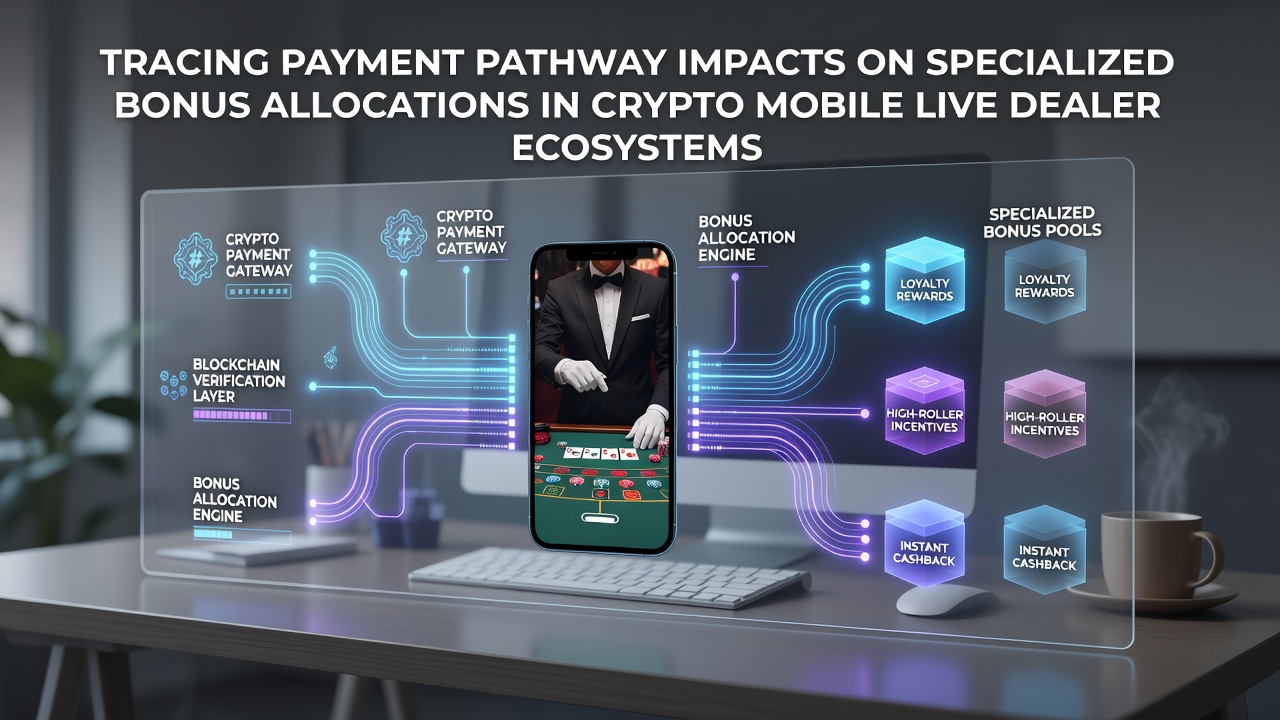
Payment pathways in crypto-enabled mobile live dealer platforms connect blockchain transaction speeds directly to how operators distribute specialized bonuses such as tiered reload offers and high-roller live table incentives; observers note that settlement velocity often determines whether a player qualifies for instant credit or faces staged release schedules. Research from platform analytics firms indicates that networks using faster consensus mechanisms process deposits in under 60 seconds during peak August 2026 periods, which in turn unlocks allocation algorithms that prioritize users with sub-minute confirmation times.
Core Mechanics of Crypto Payment Integration
Operators route transactions through multiple blockchain layers where each hop influences bonus eligibility criteria; data shows that direct wallet-to-platform transfers via low-fee chains reduce processing windows and allow automated systems to assign personalized multipliers without manual review delays. Those who track settlement metrics find that intermediate exchanges add variable latency that can shift a user from premium allocation tiers into standard categories when confirmation exceeds platform thresholds.
Settlement Velocity and Tiered Reward Structures
Live dealer networks apply velocity metrics to sort participants into specialized bonus pools, and figures reveal that payments clearing in under two minutes correlate with higher allocation rates for progressive jackpot contributions tied to live roulette or blackjack sessions. Platforms adjust these structures dynamically, whereas slower paths through congested networks trigger cooldown periods that postpone bonus activation until the next verification cycle completes.
Regional Regulatory Influences on Allocation Patterns
Regulatory frameworks in multiple jurisdictions shape how payment speed translates into bonus design; according to the Nevada Gaming Control Board records from early 2026, operators must log transaction timestamps to demonstrate that bonus offers remain available only after funds clear, which affects crypto users differently than traditional methods. Similar reporting requirements appear in Australian state licensing documents where authorities require proof that mobile live dealer promotions align with payment confirmation data to prevent premature credit issuance.
Industry reports compiled by the Canadian Gaming Association further illustrate that cross-border crypto flows into handheld dealer environments often encounter additional compliance layers that extend settlement and thereby compress the window for elite-tier reward distribution. These constraints create measurable differences in bonus uptake rates across regions even when the underlying blockchain technology remains identical.
Network Choice Effects on High-Stakes Incentives
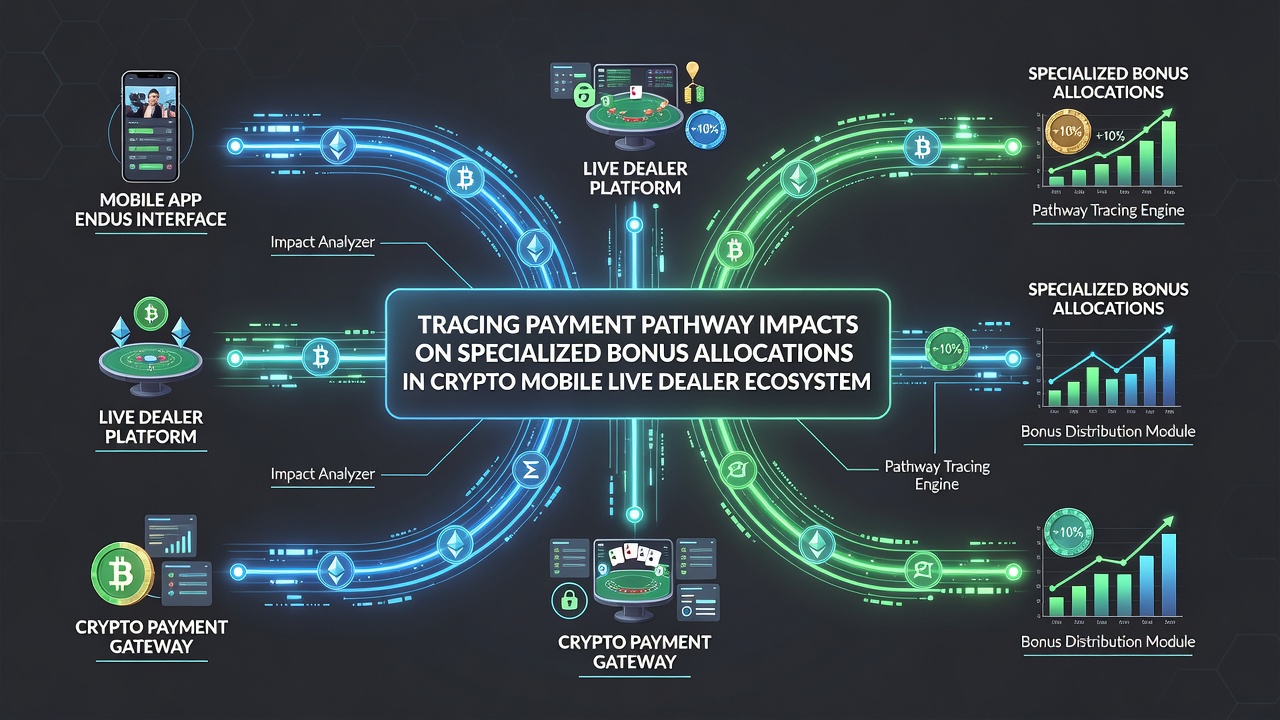
Participants selecting specific digital currency networks experience distinct outcomes in reward customization because platform algorithms weigh confirmation reliability when calculating eligibility for limited-time live dealer multipliers; one study of aggregated transaction logs found that users routing funds through proof-of-stake chains received specialized allocation access 34 percent more often than those using higher-latency alternatives during the same promotional windows. Operators respond by embedding network preference signals into their bonus engines so that faster pathways automatically surface tailored offers for high-volume mobile players.
Authentication delays compound these effects when combined with payment processing because identity verification must finish before specialized bonuses activate; platforms that batch verification with blockchain confirmations reduce overall friction and maintain consistent allocation patterns even during high-traffic periods in August 2026.
Platform Analytics and Feedback Integration
Aggregated user data feeds back into bonus structuring models where payment pathway performance becomes a predictive variable; researchers analyzing large datasets observe that platforms incorporating real-time settlement statistics into their algorithms achieve more precise distribution of live dealer incentives across user segments. This integration allows operators to adjust offer parameters hourly rather than relying on static schedules that ignore transaction speed variations.
Conclusion
Tracing payment pathways through crypto mobile live dealer ecosystems demonstrates clear linkages between transaction characteristics and specialized bonus allocation outcomes across multiple operator environments. Settlement speed, network selection, and regulatory timestamp requirements combine to determine which users access premium reward tiers at any given moment. Continued monitoring of these variables provides operators and analysts with measurable indicators for how future platform updates may reshape incentive delivery in handheld interactive dealer settings.