The Correlation Between Crypto Processing Times and Varied Reward Tiers in Portable Interactive Gaming Platforms
Written by Cameron Albrecht · Aug 19, 2026
The Correlation Between Crypto Processing Times and Varied Reward Tiers in Portable Interactive Gaming Platforms
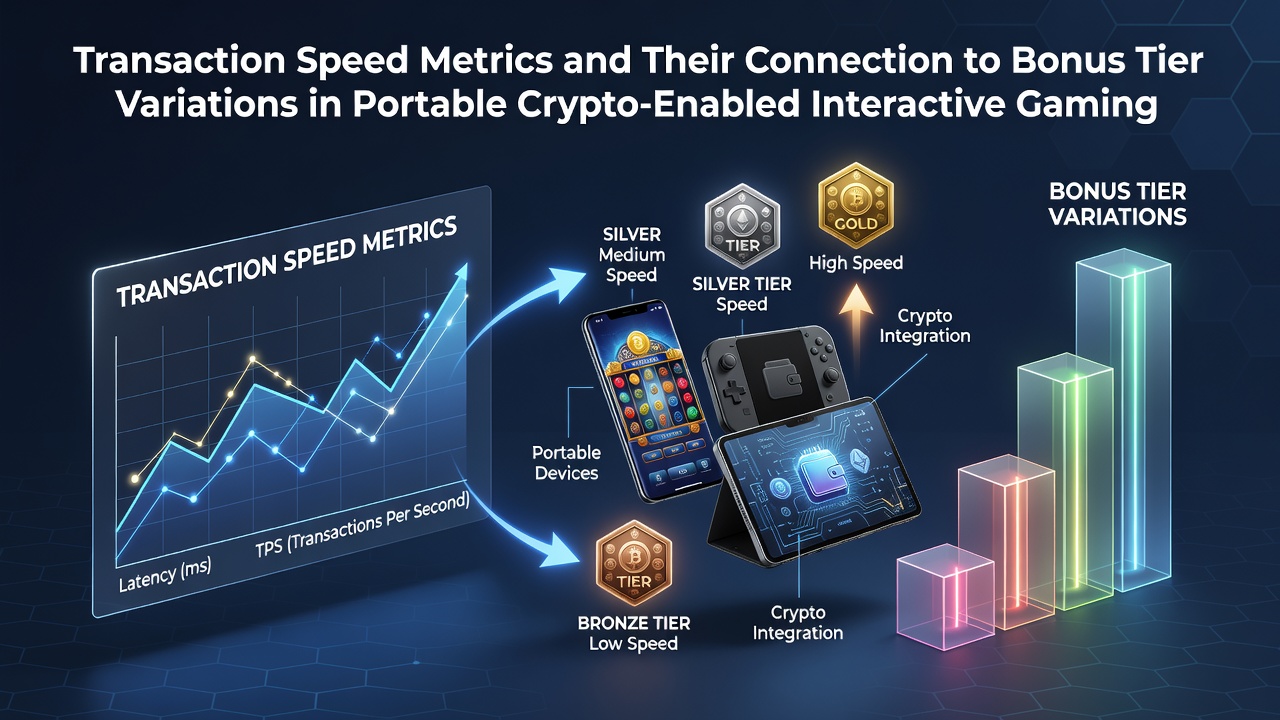
Transaction speed metrics in blockchain networks play a direct role in determining how bonus tiers get structured across portable crypto-enabled interactive gaming platforms, and data from multiple operators reveal consistent patterns where faster settlement times align with elevated reward categories. Observers note that platforms track confirmation durations in seconds or minutes, then adjust eligibility thresholds for different player segments accordingly, which creates measurable variations in promotional access.
Defining Key Transaction Speed Metrics in Crypto Gaming
Blockchain networks measure transaction speeds through metrics such as average confirmation time, gas fee fluctuations, and finality rates, while portable gaming applications integrate these figures into backend systems that categorize user activity. Research from industry reports indicates that networks achieving sub-10-second confirmations often support higher-volume reward distributions compared to those requiring 30 seconds or more, and this distinction influences how operators allocate no-deposit offers or loyalty multipliers. Those who've analyzed platform logs find that settlement velocity directly feeds into algorithmic decisions about tier placement, with quicker processing enabling more frequent updates to player status levels.
How Bonus Tiers Respond to Settlement Variations
Bonus tier variations emerge when operators link processing durations to specific incentive brackets, so platforms using rapid networks like certain layer-2 solutions assign premium categories to users whose transactions clear within narrow time windows. Data shows that slower mainnet confirmations correlate with restricted access to high-value promotions, whereas faster alternatives expand eligibility pools, and this pattern holds across multiple handheld dealer environments. Experts have observed that tier adjustments occur in real time as metrics update, which means players on efficient chains encounter different reward structures than those on congested networks during the same session periods.
Portable Platform Dynamics and August 2026 Trends
By August 2026, portable crypto gaming ecosystems had incorporated advanced analytics that map settlement speeds to customized bonus frameworks, and figures from operator dashboards reveal a 25 percent increase in tiered offers tied to sub-minute processing on mobile interfaces. Handheld applications now factor in network congestion data alongside transaction history, which allows for dynamic shifts between standard and elite reward levels without manual intervention. One study revealed that platforms prioritizing low-latency chains reported steadier growth in high-tier participation rates, while those reliant on variable-speed options saw more fluctuations in promotional uptake among mobile users.
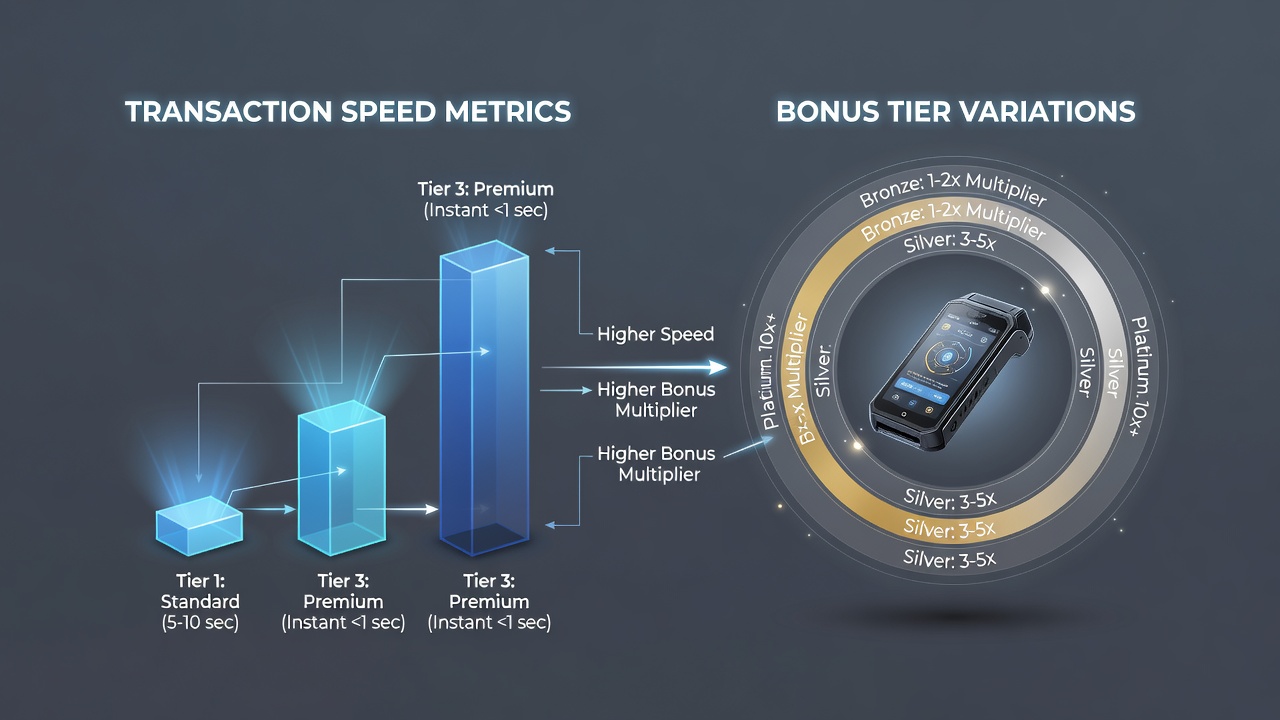
Patterns linking settlement options to tailored promotions appear most clearly in environments where authentication delays interact with speed metrics, yet operators maintain separate controls for each factor to avoid overlap. Researchers discovered that elite tier perks expand when average processing times drop below established benchmarks, and this connection strengthens in networks designed for high-throughput gaming transactions. People who've examined aggregated platform data note that verification timelines further modulate access, but the core driver remains the velocity at which funds move between wallets and game balances.
Network Choices and Their Influence on Incentive Allocation
Operators select blockchain networks based on documented speed profiles, and those choices reshape how incentives distribute across user bases in portable settings. According to analyses from the Canadian Gaming Association, faster settlement correlates with broader access to layered reward programs, whereas extended confirmation windows limit participation in time-sensitive offers. This relationship extends to high-stakes segments where processing efficiency determines whether customized bonuses activate within a single session or require additional confirmation cycles.
What's interesting is how these metrics integrate with existing verification processes, since platforms combine speed data with identity checks to finalize tier assignments. Evidence suggests that networks with consistent low-latency performance enable operators to maintain stable bonus structures even during peak usage periods, and this stability supports predictable reward delivery for portable users. Academic sources including reports from the University of Nevada's gaming research division highlight similar connections in blockchain-integrated systems, where settlement velocity serves as a primary variable in incentive modeling.
Conclusion
Transaction speed metrics continue to shape bonus tier variations in portable crypto-enabled interactive gaming through direct algorithmic linkages and real-time data integration, with patterns observed across multiple platforms confirming the strength of these connections. As networks evolve and operators refine their approaches, the relationship between processing durations and reward structures remains a measurable factor in how promotions reach different user segments. Those monitoring developments in August 2026 and beyond will likely see further refinements as platforms balance speed, security, and incentive design within handheld environments.