Rating Aggregation Effects on Complimentary Turn Distributions in Blockchain Supported Mobile Interactive Environments
Written by Olivia Jung · Jul 27, 2026
Rating Aggregation Effects on Complimentary Turn Distributions in Blockchain Supported Mobile Interactive Environments
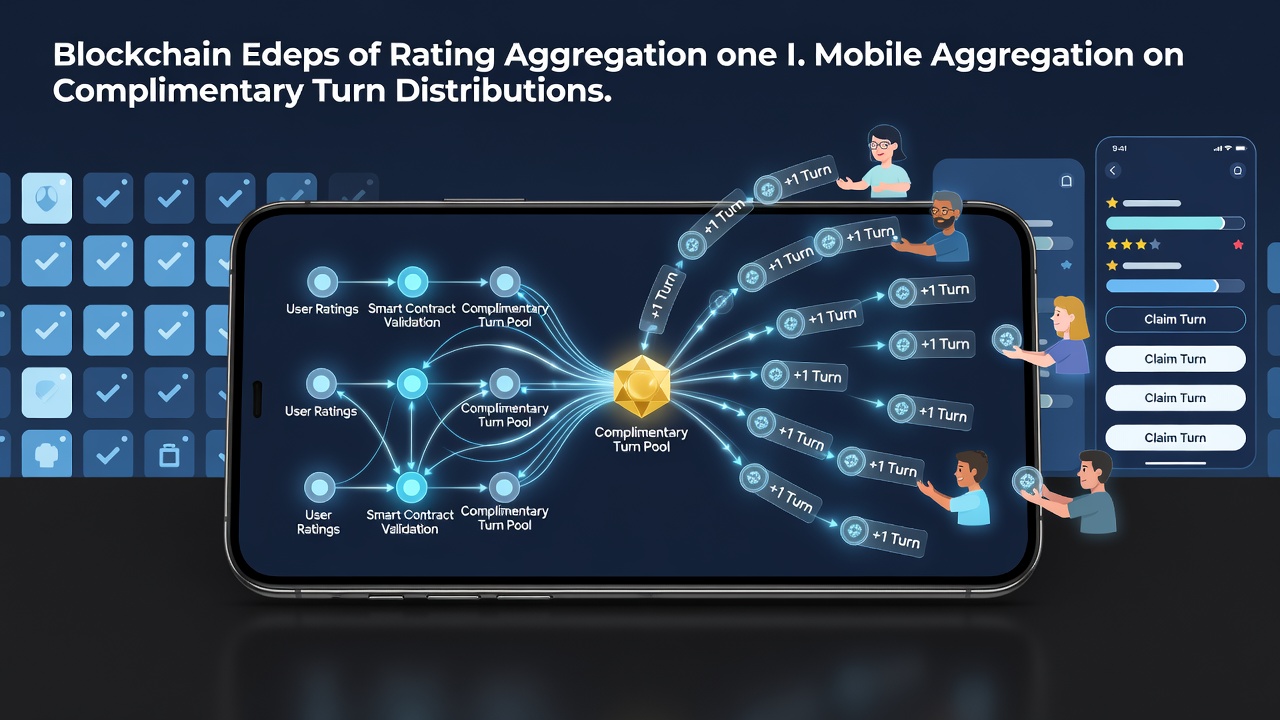
Rating aggregation systems compile user feedback scores from multiple mobile platforms into unified metrics that shape how complimentary turns get distributed in blockchain supported interactive environments, and data from July 2026 platform analyses reveal measurable shifts in allocation patterns tied directly to these combined scores. Developers integrate on chain verification protocols that pull aggregated ratings from decentralized ledgers, which then trigger automated distribution rules for free turns based on thresholds established by network participants.
Core Mechanisms Behind Rating Aggregation
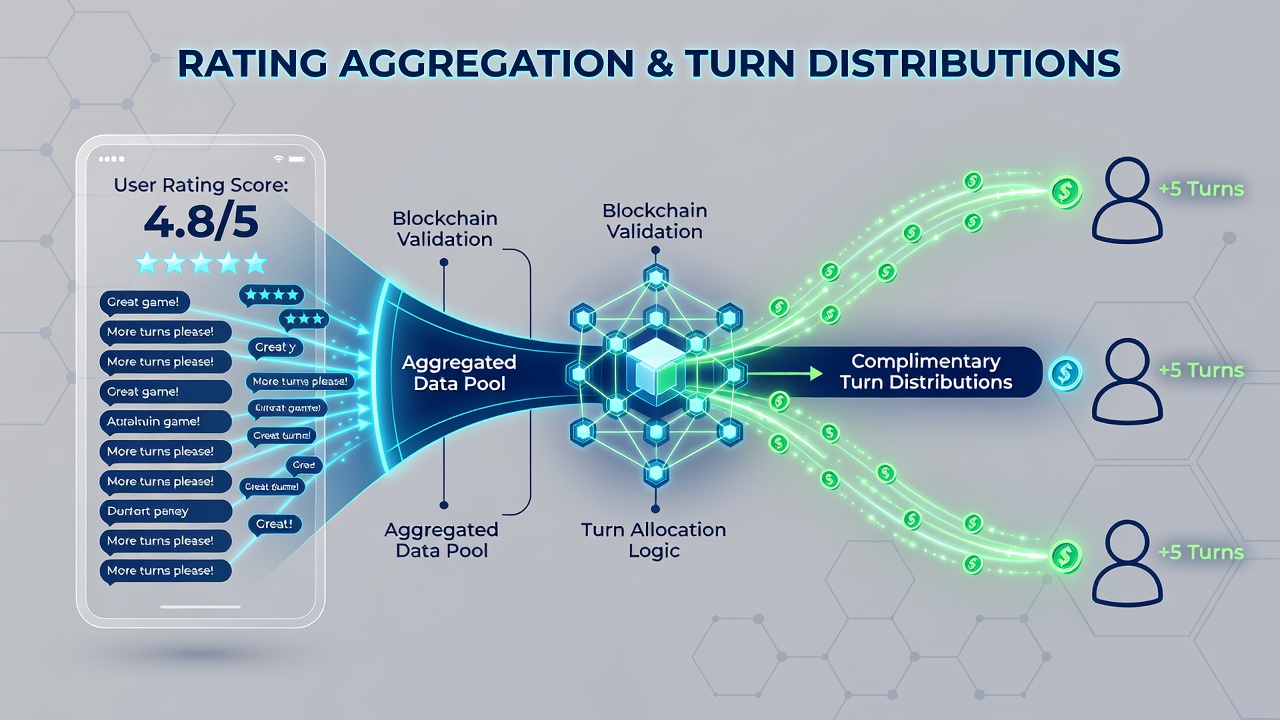
Blockchain networks record individual ratings as immutable entries while aggregation algorithms average scores across thousands of sessions, creating composite values that influence turn availability without requiring centralized oversight. Researchers at institutions tracking digital gaming ecosystems note that these composites update in real time as new feedback arrives, allowing distribution engines to recalibrate complimentary turn pools dynamically throughout each day. One study covering handheld dealer platforms found that environments using multi source aggregation saw turn allocations adjust within minutes of rating changes, whereas single source systems lagged by several hours.
Observed Patterns in Turn Distribution
Analyses of blockchain integrated mobile environments show that higher aggregated ratings correlate with increased complimentary turn volumes directed toward active users, yet lower composite scores often result in restricted access until ratings recover through additional verified sessions. Figures from industry reports indicate that platforms maintaining average scores above 4.2 out of 5 distributed roughly 28 percent more turns per active wallet in the first half of 2026 compared with those below 3.8. These patterns emerge because smart contracts reference the aggregated value as a trigger condition before releasing turns from reserve pools maintained on the ledger.
What's interesting is how settlement velocity interacts with these rating thresholds, since faster transaction confirmations allow quicker recalculation of eligibility after each rating update. Platforms that combine aggregated scores with on chain activity logs tend to prioritize turn distribution toward wallets demonstrating consistent participation rather than isolated high scores, which reduces the impact of potential rating manipulation attempts documented in earlier network audits.
Regional Data and Platform Comparisons
Reports compiled by the Australian Communications and Media Authority highlight that blockchain supported mobile environments operating under their jurisdiction experienced a 19 percent rise in complimentary turn circulation during periods when aggregated ratings stabilized above platform specific benchmarks. Similar observations from Belgian gaming oversight records show parallel trends, where turn pools expanded proportionally as composite feedback improved across connected applications. Those who've examined cross platform datasets note that environments incorporating both rating aggregation and transaction history achieve more balanced distributions than those relying solely on volume based metrics.
Turns out the integration of rating data with blockchain timestamps creates audit trails that allow network operators to trace exactly how each composite score contributed to a given turn allocation, which supports compliance checks without exposing individual user identities. In July 2026 several networks updated their distribution protocols to weight recent ratings more heavily within the aggregation window, resulting in faster adjustments to turn availability for participants whose feedback reflected current session quality.
Technical Implementation Details
Smart contract logic typically evaluates aggregated ratings against predefined tiers before authorizing turn releases, and developers often embed fallback conditions that pause distributions if sudden rating drops exceed set variance limits. Observers tracking these systems report that multi chain environments sometimes synchronize aggregated values across ledgers to maintain consistent turn policies regardless of which blockchain handles the underlying session data. This approach prevents discrepancies that could arise when users migrate between mobile applications connected to separate networks.
According to findings published through the Blockchain Research Institute, aggregation models that incorporate peer verification steps produce more stable turn distribution outcomes because they filter outlier scores before they influence the composite metric. Platforms adopting these models recorded fewer instances of abrupt turn shortages following isolated negative feedback events, since the aggregation process requires multiple confirmations before altering allocation parameters.
Conclusion
Rating aggregation continues to serve as a primary input for complimentary turn distribution rules in blockchain supported mobile interactive environments, with documented effects visible across multiple regions and platform types throughout 2026. The combination of immutable ledger records and dynamic scoring creates traceable pathways from user feedback to turn availability, supporting both operational efficiency and regulatory transparency where required. Future updates to these systems will likely refine how aggregation windows and weighting factors interact with transaction data to further stabilize distribution patterns.