Mapping How Blockchain Analytics Shape Tailored Incentives Across Mobile Casino Platforms
Written by Cameron Albrecht · Aug 26, 2026
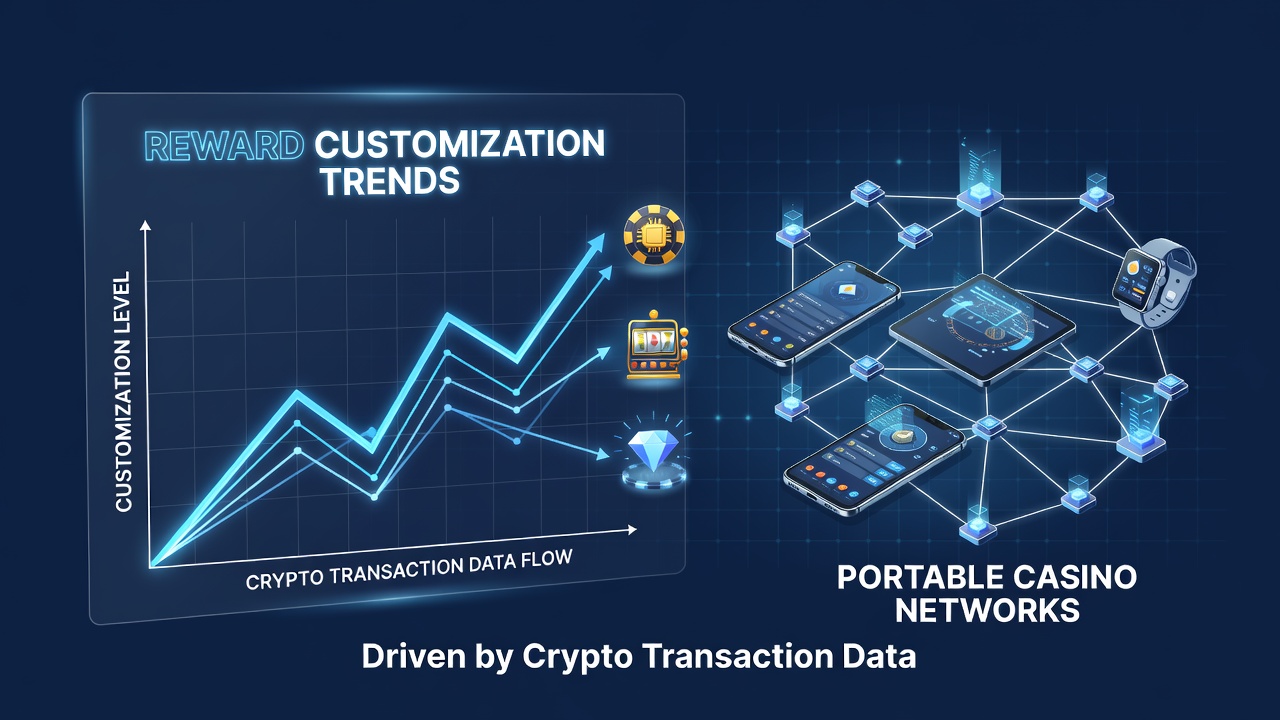
Mapping How Blockchain Analytics Shape Tailored Incentives Across Mobile Casino Platforms
Blockchain transaction records now feed directly into reward engines that adjust offers in real time for players on handheld devices, and analysts track settlement speeds, wallet activity volumes, and token flow patterns to determine which users receive upgraded cashback rates or exclusive live-dealer access. Portable networks collect these data points at the moment each crypto transfer clears, then feed them into algorithms that segment participants into dynamic tiers without manual intervention.
Core Data Inputs Driving Personalization
Transaction velocity stands out as one primary metric because faster settlements allow platforms to confirm deposits within seconds rather than hours, which in turn unlocks immediate bonus matching on the same device session. Volume thresholds also matter, since accounts that move larger aggregate amounts over rolling thirty-day windows trigger higher loyalty multipliers according to internal platform rules. Researchers at the American Gaming Association have documented how these same data streams help operators distinguish between recreational users and high-frequency participants who shift assets across multiple chains.
Wallet age and on-chain history add another layer because platforms cross-reference new addresses against known exchange deposit patterns to apply different verification layers and corresponding reward access levels. Those patterns reveal whether a wallet has previously interacted with regulated operators or has remained dormant for extended periods, allowing systems to calibrate incentive depth accordingly.
August 2026 Platform Adjustments
By August 2026 several major mobile networks began weighting stablecoin settlement data more heavily than volatile token transfers when calculating tier progression, because stablecoin flows exhibit lower reversal risk and therefore support more generous ongoing cashback structures. Operators adjusted their internal dashboards to flag wallets that consistently route USDC or USDT through low-fee networks, granting those accounts earlier access to curated live-dealer tables with reduced house-edge promotions.
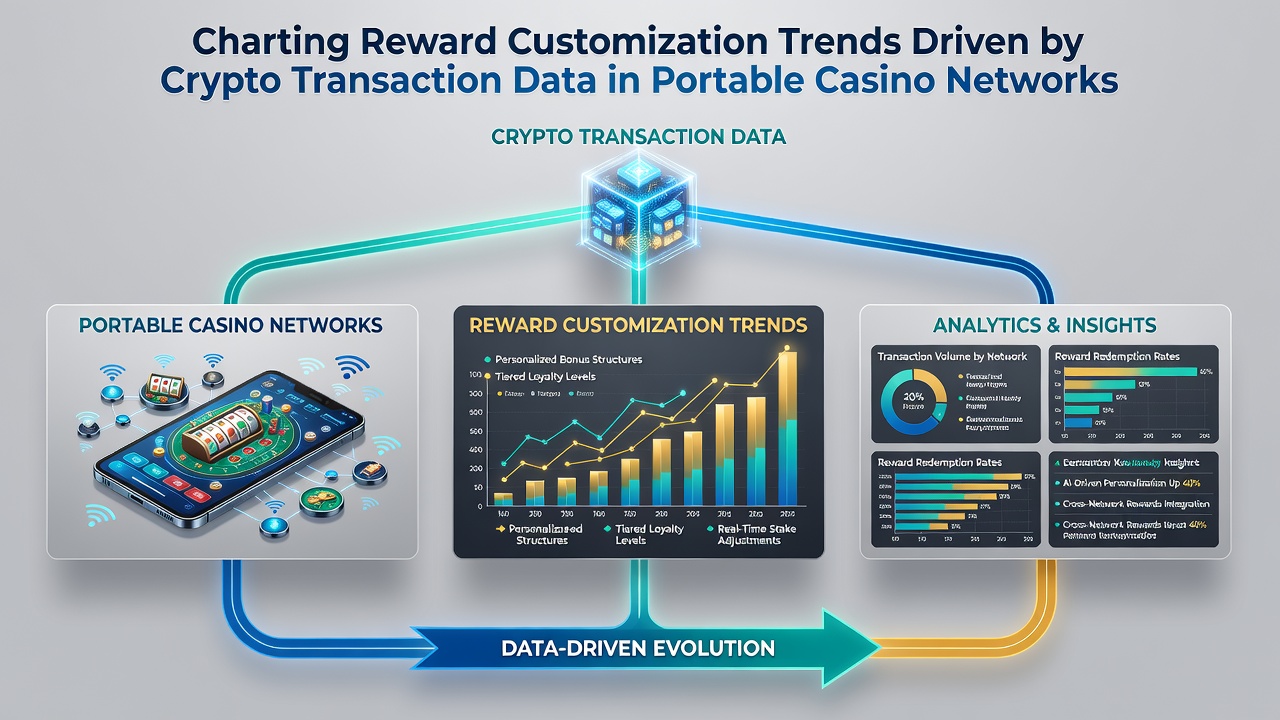
One study released through the Australian Gambling Research Centre examined six months of anonymized mobile transaction logs and found that accounts using layer-two scaling solutions received customized reload offers 38 percent more frequently than those limited to mainnet transfers. The same analysis noted that cross-border stablecoin movements correlated with elevated free-spin allocations during promotional windows, while domestic fiat on-ramps triggered standard tier advancement only.
Integration With Live Dealer Experiences
Live dealer platforms embedded within mobile applications now query recent crypto transaction histories before each session begins, enabling the system to surface personalized seat reservations or side-bet credits that match the player's established activity profile. When transaction data shows repeated use of privacy-focused tokens, the algorithm may surface alternative reward types such as mystery box credits instead of direct cashback, because those users historically respond better to variable prize structures.
Observers note that settlement confirmation times under fifteen seconds allow operators to push these tailored offers before the player even selects a table, creating a seamless loop between on-chain activity and in-app incentives. Data from the Canadian Centre for Gaming Research indicates that networks achieving sub-ten-second finality report measurably higher retention among users who receive these context-aware rewards compared with static bonus models.
Future Trajectory of Data-Driven Tiers
Platform teams continue refining models that incorporate multi-chain transaction graphs, allowing a single user profile to carry reward status across different portable networks that share the same analytical backend. This shared infrastructure means a wallet demonstrating consistent high-volume activity on one operator's ecosystem can unlock elevated status on partner applications without repeating verification steps.
Regulatory filings from several U.S. state gaming commissions show operators submitting updated responsible-gaming reports that now include crypto transaction frequency as an additional risk indicator alongside traditional playtime metrics. These filings also describe how reward customization engines automatically throttle offers when on-chain patterns suggest rapid deposit-withdrawal cycles that exceed platform thresholds.
Conclusion
Transaction data from cryptocurrency networks has become a central input for reward customization engines operating across portable casino platforms, and the trends observed through August 2026 demonstrate continued refinement of tier structures based on settlement characteristics, wallet history, and cross-chain behavior. Operators rely on these objective signals to allocate incentives efficiently while meeting regulatory expectations around player segmentation and risk monitoring.