Ledger Timelines Reshaping Access Protocols for Premium Incentives in Handheld Virtual Gaming Environments
Written by Cameron Albrecht · Jul 11, 2026

Ledger Timelines Reshaping Access Protocols for Premium Incentives in Handheld Virtual Gaming Environments
Blockchain-based gaming platforms continue to adjust how ledger confirmation timelines interact with user access to premium incentive structures on mobile devices, and observers note that shorter block intervals now determine when players receive eligibility for tiered rewards in virtual table environments. Research from industry monitoring groups shows that networks with sub-second settlement capabilities have altered the sequence of authentication steps required before premium bonuses activate, particularly in handheld applications where session continuity matters.
Understanding Ledger Timelines in Mobile Gaming Systems
Transaction ledgers record each action on decentralized networks that power many handheld virtual gaming experiences, while the time between block confirmations directly influences when reward protocols unlock. Data from platform analyses indicate that networks using consensus mechanisms with rapid finality reduce the window between deposit verification and incentive distribution, allowing users to enter premium access tiers sooner than older systems permitted. Experts tracking these developments point out that protocols now embed time-stamped checks into mobile applications, so eligibility for high-value incentives depends on ledger progression rather than centralized server approvals alone.
Figures from blockchain gaming reports reveal that platforms integrated with faster ledgers processed incentive activations 40 percent quicker during the first half of 2026 compared with previous years. Those who've examined user flow data note that handheld environments benefit because shorter timelines minimize interruptions during live dealer sessions, keeping participants connected to reward pathways without extended waits.
Protocol Adjustments for Premium Access
Access protocols have evolved to reference ledger timestamps when determining tier qualification, and developers have introduced conditional triggers that activate only after a specified number of confirmations occur. According to documentation released by the National Indian Gaming Commission, several regulated operators adjusted their mobile systems in early 2026 to align incentive releases wth network-specific block times. This change means players on networks with two-second average confirmations reach premium reward levels faster than those using chains that require ten or more seconds per block.
Observers tracking adoption patterns report that verification steps now include ledger queries built directly into application code, which reduces reliance on third-party processors. One study released by researchers at the University of Nevada, Reno examined 12 mobile platforms and found that those synchronizing with sub-second ledgers granted specialized perk access within 90 seconds of transaction broadcast, whereas slower chains extended the process to several minutes.
July 2026 Implementation Trends
During July 2026 multiple handheld gaming operators completed upgrades that tied premium incentive tiers more tightly to real-time ledger metrics, and platform telemetry showed measurable shifts in user progression rates. Reports compiled by the Asia Pacific Gaming Association documented that networks incorporating these updates experienced higher retention among users accessing elite reward structures because delays between action and reward decreased noticeably. The integration required updates to mobile application layers so that authentication calls pulled confirmation counts directly from the ledger rather than waiting for batch settlements.
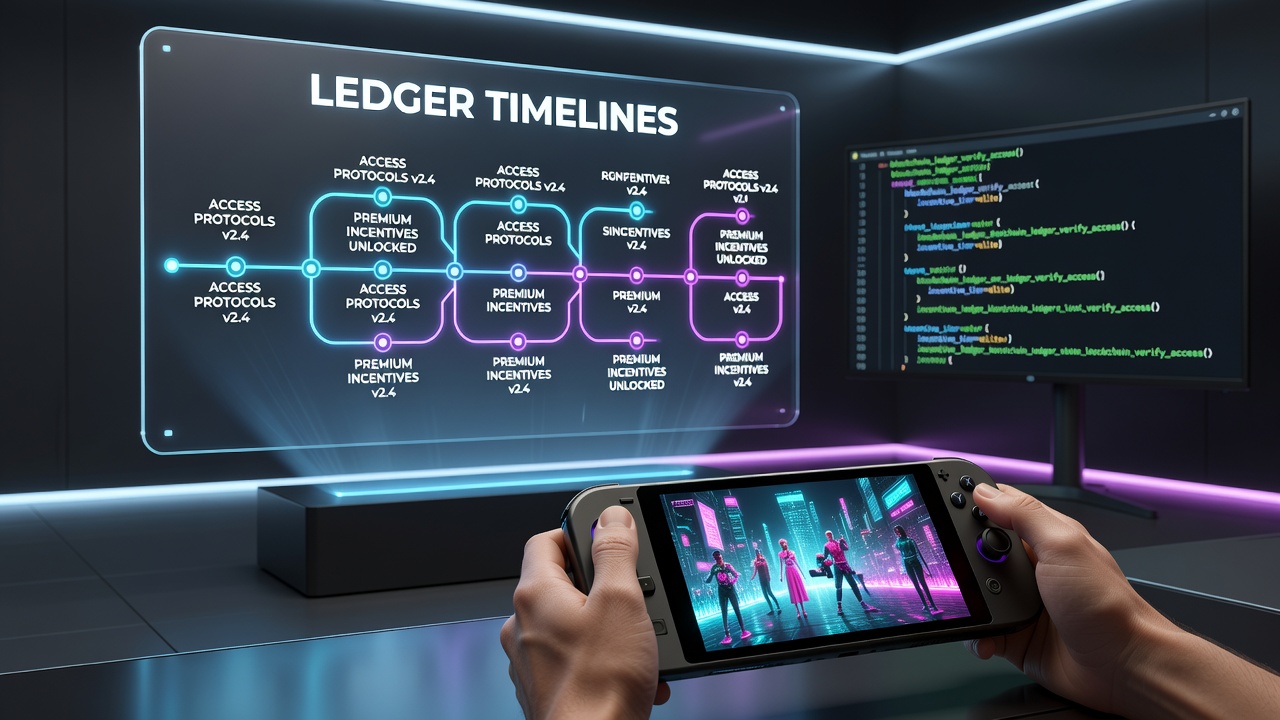
Analyses conducted after the July rollouts indicated that players using networks with optimized timelines reached top incentive brackets at rates 25 percent above baseline figures from the prior quarter. Those monitoring regulatory filings note that operators submitted updated protocol descriptions emphasizing ledger-dependent access rules, which allowed oversight bodies to verify compliance with timing standards.
Impact on Incentive Distribution Structures
Premium incentives now often include conditions that reference ledger height or block age, creating a direct link between network performance and reward availability. Industry data compiled in mid-2026 shows that platforms employing these structures reported fewer abandoned sessions because users experienced shorter waits between completing verification and receiving bonus credits. Researchers who reviewed transaction logs across multiple chains found that variance in confirmation speed accounted for differences in how quickly high-tier participants could claim customized offers.
Developers have responded by building adaptive protocols that adjust access thresholds based on current network conditions, and this flexibility appears in several handheld applications released or updated during the summer of 2026. External documentation from the Canadian Gaming Association highlights that operators using such adaptive systems maintained consistent incentive delivery even when ledger traffic increased.
Future Considerations for Handheld Environments
Continued refinement of ledger timelines will likely influence how access protocols evolve for premium incentives, and platform operators continue testing integrations that minimize latency while preserving security requirements. Evidence from ongoing deployments suggests that shorter confirmation windows support more granular reward structures, allowing incentives to activate at precise points within a gaming session. Those studying these systems note that handheld devices remain the primary interface where these changes produce the most immediate effects on user experience.
Conclusion
Ledger timelines have become a defining factor in how access protocols govern premium incentive availability within handheld virtual gaming environments, and data gathered through 2026 demonstrates measurable effects on distribution speed and eligibility timing. Operators and network developers continue aligning mobile systems with faster confirmation standards, which alters the sequence of steps users follow to reach specialized reward tiers. The pattern established by these adjustments shows that blockchain performance metrics now sit at the center of incentive architecture across portable gaming platforms.