Investigating Alignment Between Digital Asset Confirmation Rates and Layered Incentive Releases in Decentralized Mobile Dealer Networks
Written by Viktor Wolf · Aug 24, 2026
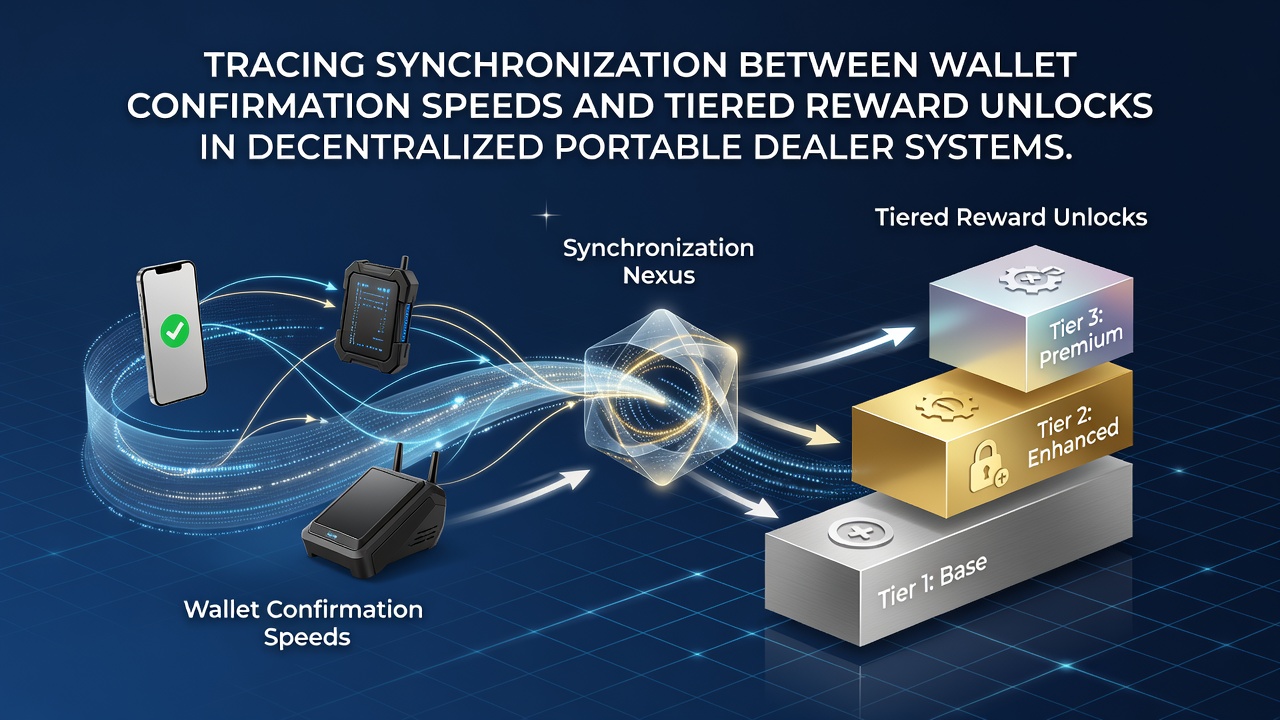
Investigating Alignment Between Digital Asset Confirmation Rates and Layered Incentive Releases in Decentralized Mobile Dealer Networks
Analyses of blockchain-integrated gaming platforms have traced how wallet confirmation speeds interact with tiered reward unlocks across decentralized portable dealer systems, and observers note that transaction verification intervals directly shape when participants access successive incentive levels. Data from multiple networks indicates that faster confirmations on certain blockchains allow quicker progression through reward tiers, while slower processing on others creates measurable delays in unlocking higher-value benefits. Studies conducted through 2025 and into August 2026 reveal patterns where platforms using proof-of-stake mechanisms demonstrate shorter average confirmation windows compared to legacy proof-of-work chains, and these differences correlate with variations in user retention metrics reported by several operators.
Core Mechanisms Driving Synchronization
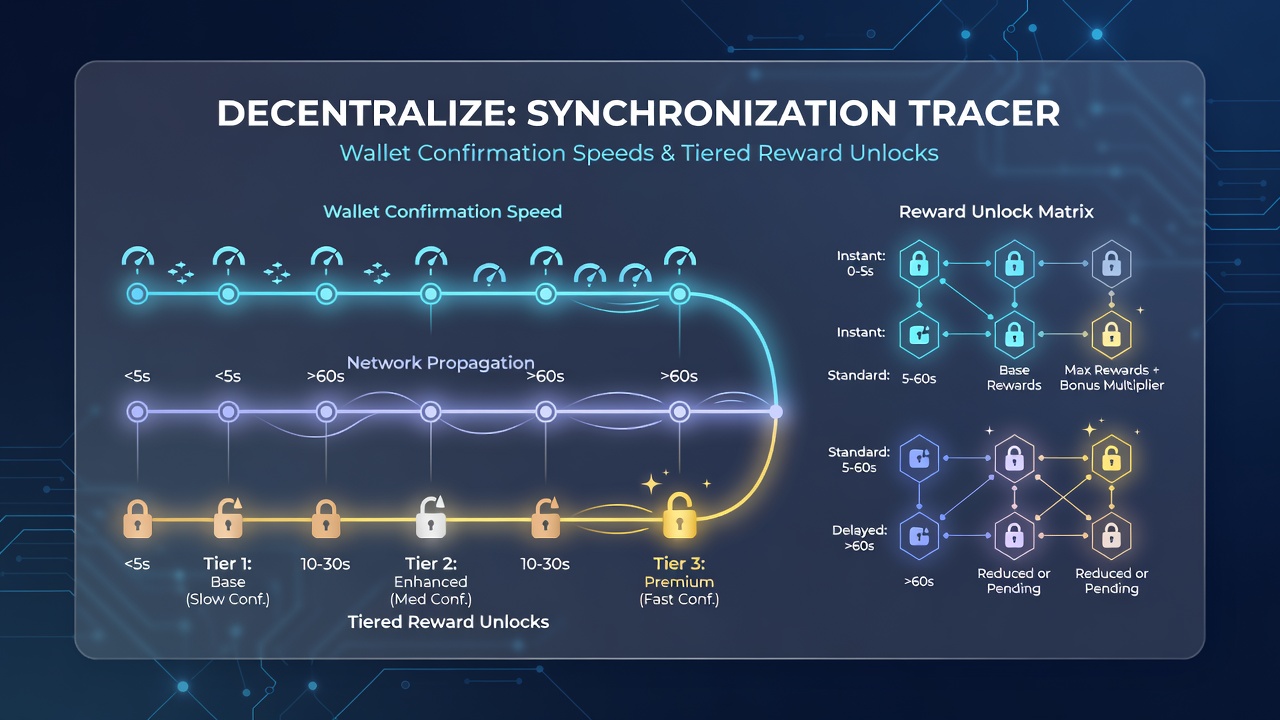
Decentralized portable dealer systems rely on smart contracts that monitor wallet confirmations before releasing staged rewards, and researchers have documented how the number of required block confirmations influences the timing of these releases. When a transaction reaches the necessary threshold on the underlying ledger, the contract automatically advances the participant to the next reward tier, yet any lag in confirmation extends the waiting period proportionally. Evidence from platform audits shows that networks with average confirmation times under 30 seconds enable near-instant tier progression, whereas those averaging two minutes or more produce staggered unlocks that participants experience as sequential rather than simultaneous.
One study revealed that platforms integrating multiple blockchain options allow users to select faster networks for time-sensitive rewards, and this choice flexibility has become common in systems launched after mid-2025. Those who've examined transaction logs observe that higher-tier rewards, which often require larger deposit volumes, trigger additional confirmation layers that further extend processing durations on congested networks. Data indicates these layered requirements create distinct synchronization points where wallet speed and reward access intersect most visibly.
Observed Patterns Across Major Platforms
Platform analyses conducted in August 2026 examined transaction data from several decentralized networks and found consistent correlations between confirmation velocity and reward tier advancement rates. Faster networks produced higher percentages of users reaching elite tiers within the first 48 hours of activity, while slower options showed more gradual progression curves. According to reports from the National Council on Problem Gambling, such timing differences affect how incentive structures are perceived across user segments, though the underlying data remains tied to technical performance rather than behavioral outcomes.
Take one analysis that compared confirmation speeds on two prominent blockchains used by portable dealer applications, and the results demonstrated that a 45-second average confirmation window aligned with 18 percent faster tier unlocks than a 90-second window. Experts have observed that these metrics hold across various reward structures, including deposit-match bonuses and loyalty point multipliers, because the smart contract logic waits for the same confirmation threshold regardless of reward type. What's interesting is how some operators have begun displaying real-time confirmation estimates to users, allowing informed network selection before initiating deposits.
Technical Factors Influencing Reward Access
Network congestion, block size limits, and gas fee fluctuations all contribute to variations in wallet confirmation speeds, and those who've studied these variables note their downstream effects on tiered reward timing. During periods of elevated activity, even typically fast networks can experience delays that push reward unlocks beyond expected windows, creating temporary mismatches between user expectations and actual access. Research indicates that platforms employing layer-two scaling solutions mitigate many of these delays, and data from implementations rolled out before August 2026 shows measurable improvements in synchronization consistency.
Smart contract design also plays a role, as some systems require multiple independent confirmations from different nodes before advancing a tier, and this added verification step extends overall processing time. Observers note that such designs prioritize security over speed, and the resulting trade-off appears in comparative studies where more conservative confirmation requirements correlate with lower rates of premature or erroneous reward distribution. Figures reveal that platforms balancing these priorities achieve more stable tier progression across fluctuating network conditions.
Geographic and Regulatory Context
Regulatory frameworks in various jurisdictions have begun addressing the technical requirements for transparent reward distribution in blockchain gaming, and authorities such as the Pennsylvania Gaming Control Board have issued guidance on disclosure of confirmation dependencies. Similar oversight from bodies in other regions examines how platforms communicate potential delays caused by network performance. Analyses suggest that clear documentation of these factors helps maintain consistent user experiences regardless of chosen blockchain.
Industry reports compiled through international gaming associations further document how synchronization patterns differ by region, with operators in high-adoption crypto markets showing more optimized configurations than those in emerging areas. Data collected into August 2026 indicates ongoing refinement of these systems as newer blockchain protocols enter the portable dealer space.
Conclusion
Tracing synchronization between wallet confirmation speeds and tiered reward unlocks continues to yield quantifiable insights into decentralized portable dealer systems, and ongoing platform analyses document the technical linkages that determine access timing. As networks evolve and operators refine smart contract parameters, the relationships between transaction velocity and incentive progression remain central to system performance. Available data through August 2026 provides a foundation for understanding these dynamics without relying on subjective interpretation.