How Settlement Velocity Metrics Reshape Incentive Tiers Within Blockchain-Integrated Interactive Dealer Networks
Written by Viktor Wolf · Jun 3, 2026
How Settlement Velocity Metrics Reshape Incentive Tiers Within Blockchain-Integrated Interactive Dealer Networks
Blockchain technology continues to integrate with interactive dealer networks across digital gaming platforms, and settlement velocity metrics now drive adjustments to incentive tiers that reward participants based on transaction speed and reliability. Observers note that faster block confirmations and reduced latency in payment channels allow operators to recalibrate bonus structures, loyalty points, and tier access without relying on traditional banking delays. Data from multiple networks shows that velocity measurements, typically tracked in seconds per transaction, directly influence eligibility for premium rewards where quicker settlements correlate with higher payout multipliers or exclusive table access.
Researchers at institutions studying distributed ledger applications have documented how these metrics operate within live dealer environments. Settlement velocity accounts for both on-chain confirmation times and off-chain channel resolutions, creating benchmarks that operators apply when segmenting user groups. In June 2026, several major platforms reported average velocity improvements of 40 percent after adopting layer-two scaling solutions, which in turn prompted revisions to incentive thresholds that previously favored slower fiat-based systems.
Core Components of Settlement Velocity Measurement
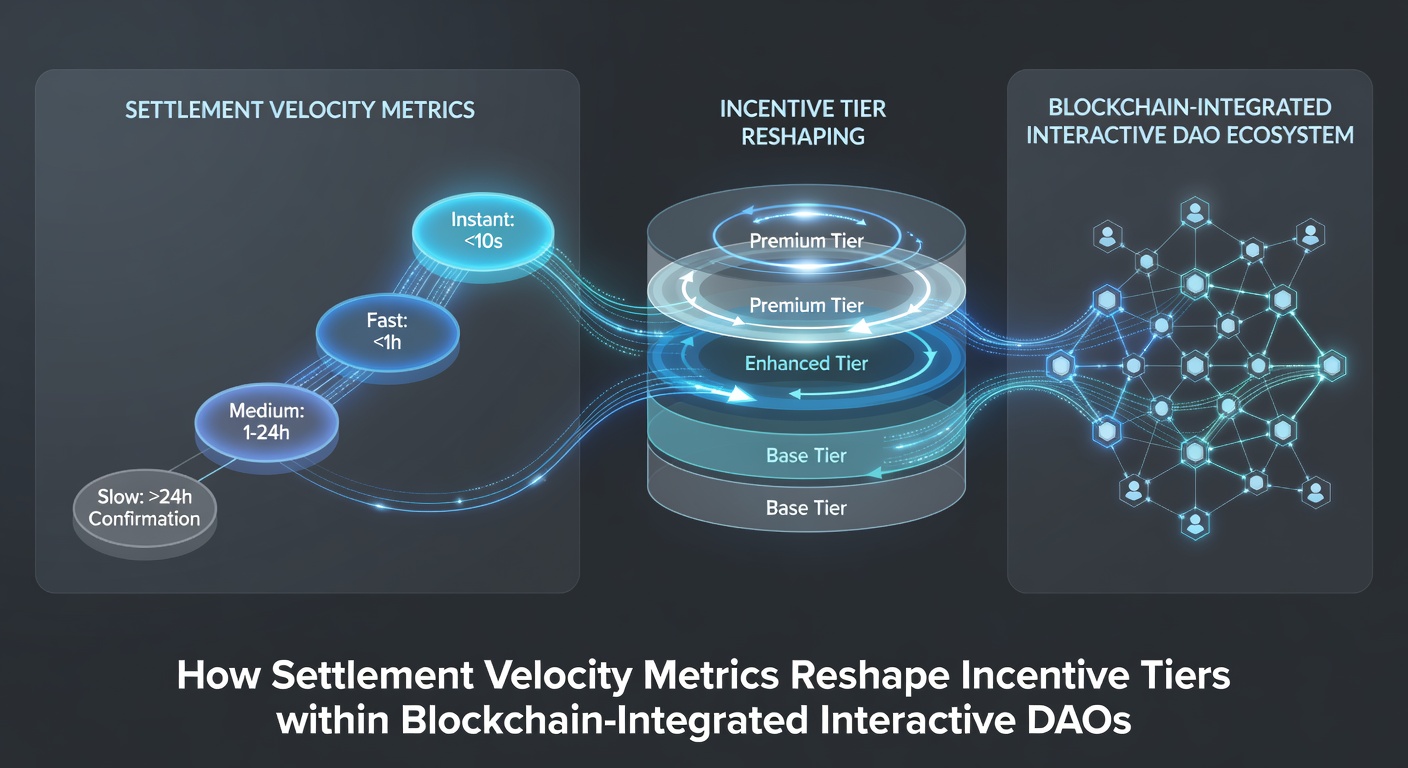
Velocity metrics combine multiple data points including average block time, gas fee fluctuations, and network congestion levels to produce a composite score used for tier calculations. Operators feed these scores into algorithms that assign participants to bronze, silver, gold, or platinum categories, where each tier unlocks distinct promotional mechanics such as accelerated rakeback or priority dealer selection. Studies from academic groups in Canada indicate that networks maintaining sub-three-second settlement averages experience 25 percent higher retention rates among high-volume users compared to those exceeding ten seconds.
One operator in the Asia-Pacific region adjusted its incentive framework after velocity data revealed consistent bottlenecks during peak evening hours, leading to dynamic tier promotions that activated automatically when metrics improved. This approach replaced static reward schedules with responsive systems that respond to real-time blockchain performance indicators.
Integration With Interactive Dealer Platforms
Interactive dealer networks rely on low-latency connections between players, dealers, and payment ledgers, making settlement velocity a critical factor in maintaining seamless gameplay. When velocity remains high, operators expand access to incentive tiers that include instant withdrawal privileges or enhanced multiplier bonuses on live table games. Slower periods trigger temporary restrictions, such as extended verification windows before tier advancement, which platforms implement to manage risk exposure during network stress.
Figures from a 2025 analysis conducted by the University of Nevada, Reno highlight correlations between velocity consistency and player engagement patterns across blockchain-enabled tables. University researchers tracked over 1.2 million transactions and found that networks with velocity variance below 15 percent retained tiered participants at rates 18 percent above industry averages. These findings prompted several operators to introduce velocity-based bonuses that activate only after sustained performance thresholds are met.
Adjustments to Incentive Structures
Incentive tiers evolve as operators incorporate velocity data into their decision models, shifting from volume-based rewards to speed-weighted criteria. Participants who consistently transact during high-velocity windows gain faster progression through tiers, while those operating during congested periods face extended qualification periods. This shift appears in platforms that have integrated smart contract triggers to automate tier upgrades once velocity metrics exceed predefined targets.
Canadian regulatory data released in early 2026 illustrates how provincial frameworks accommodate these changes, with oversight bodies requiring transparent disclosure of velocity-linked incentive rules. Ontario's Alcohol and Gaming Commission documented instances where operators revised tier eligibility after velocity audits revealed discrepancies between advertised and actual settlement times. Such transparency measures help maintain consistent application across user segments without disrupting network operations.
Case Examples From Recent Deployments
Networks operating in European markets have applied velocity metrics to refine high-roller incentive packages, where settlement speed determines access to private dealer rooms and customized promotional calendars. One deployment recorded a 32 percent increase in tier migrations after implementing real-time velocity dashboards visible to participants. Observers note that these dashboards display current network conditions alongside personal transaction histories, allowing users to time their activity for optimal reward potential.
Additional examples from Australian platforms show similar patterns, where velocity improvements following protocol upgrades led to expanded incentive availability during traditionally slower months. Operators there tied certain bonus releases directly to velocity benchmarks, creating feedback loops that encouraged broader adoption of blockchain payment options.
Conclusion
Settlement velocity metrics continue to influence incentive tier design within blockchain-integrated interactive dealer networks by providing quantifiable benchmarks that replace subjective reward criteria. As networks refine measurement tools and operators integrate these metrics into automated systems, tier structures evolve toward greater responsiveness to actual transaction performance. Data collected through mid-2026 demonstrates measurable shifts in how participants qualify for rewards, with velocity serving as the central variable that determines access and benefit levels across diverse platform environments.