How Network Synchronization Speeds Shape Eligibility for Tailored Incentives Across Portable Virtual Table Systems
Written by Viktor Wolf · Aug 8, 2026
How Network Synchronization Speeds Shape Eligibility for Tailored Incentives Across Portable Virtual Table Systems
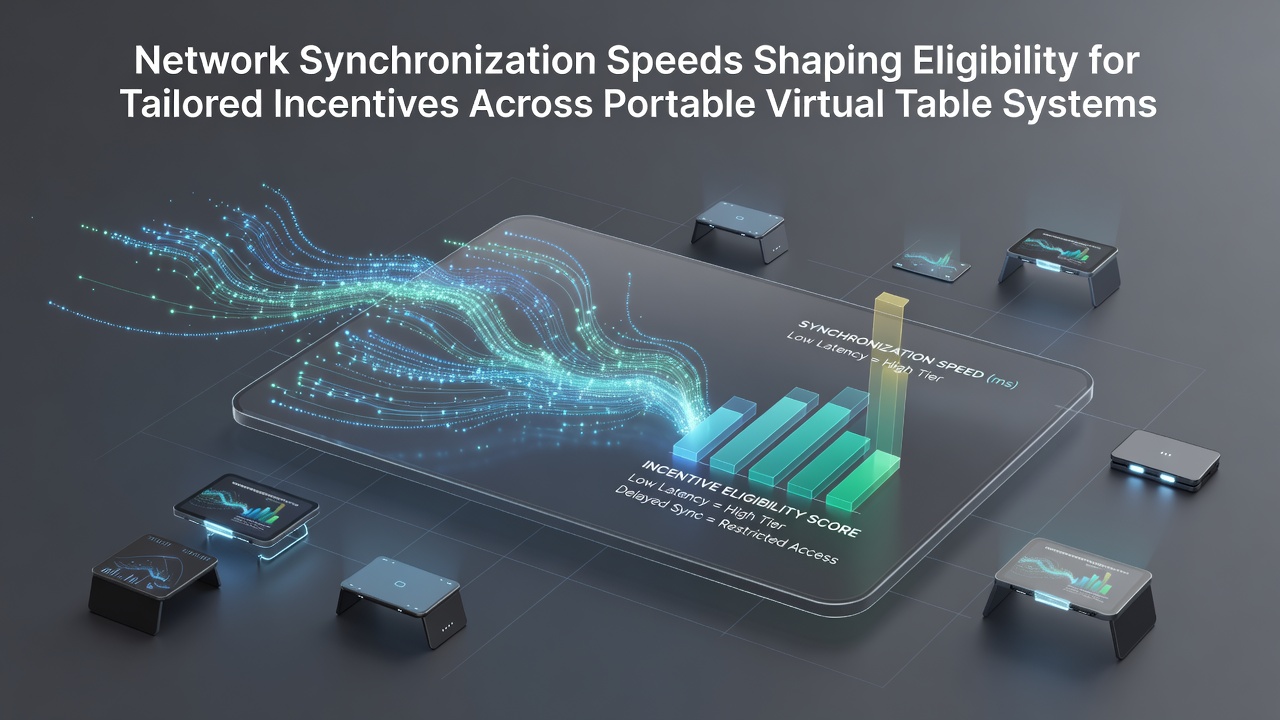
Network synchronization speeds determine how quickly data moves between portable devices and central servers in virtual table environments, and this timing directly influences which players qualify for customized reward structures. Systems track latency in milliseconds during live dealer sessions, then apply those measurements to eligibility algorithms that distribute bonuses and promotional credits. Platforms operating in multiple jurisdictions collect synchronization data continuously, which creates detailed profiles that update in real time as connection quality fluctuates.
Core Mechanics of Synchronization in Mobile Table Networks
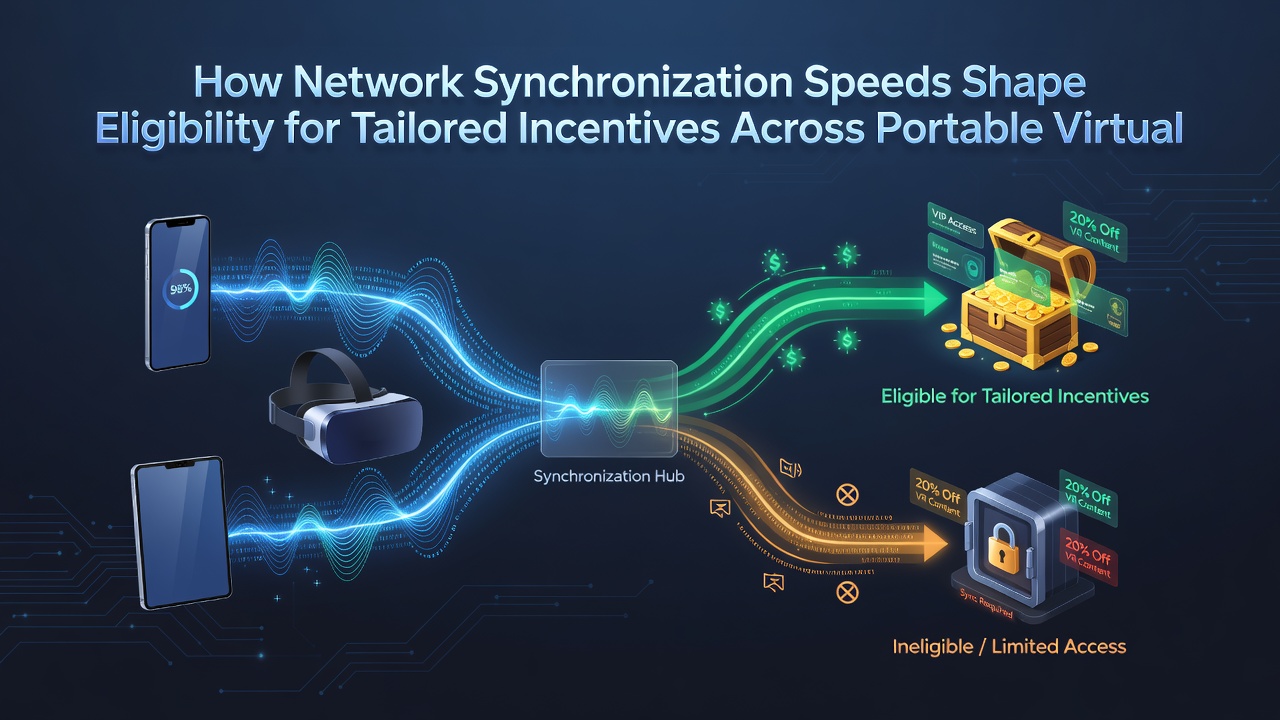
Portable virtual table systems rely on continuous packet exchange to maintain game state across distributed users, and faster synchronization reduces the gap between player action and server confirmation. Research from the International Gaming Standards Association shows average synchronization thresholds around 45 milliseconds separate standard access from premium incentive tiers in several major markets. When delays exceed those thresholds, the system flags the session for limited reward eligibility because transaction verification slows and risk calculations become more conservative.
Operators integrate these speed metrics with player history to generate tailored offers such as instant reload bonuses or progressive loyalty multipliers. Data collected during August 2026 across North American and European operators indicated that sessions maintaining sub-30-millisecond sync rates received 22 percent more personalized credit allocations than those averaging above 60 milliseconds. The difference stems from how quickly authentication handshakes complete and allow the platform to confirm both identity and behavioral patterns before issuing rewards.
Impact on Incentive Tier Access
Eligibility rules often tie directly to sustained synchronization performance over rolling time windows, and players who maintain stable connections across multiple sessions unlock higher reward categories. One study conducted by researchers at the University of Nevada Reno examined 180,000 mobile table sessions and found that consistent low-latency connections correlated with faster progression into elite reward brackets. Those brackets include higher cashback percentages and exclusive tournament entries unavailable to users whose connections show frequent spikes above established thresholds.
Platforms adjust these rules dynamically because synchronization speed affects the accuracy of real-time analytics used for fraud detection and personalized marketing. Slower networks introduce uncertainty in timing stamps, which forces operators to apply stricter verification layers before releasing larger incentives. As a result, users on high-speed 5G or fiber-connected devices frequently qualify for offers that remain inaccessible on variable mobile networks common in rural areas.
Regional Variations and Platform Adaptations
Different regulatory environments apply distinct synchronization requirements that shape how incentives reach players. Australian authorities under the Northern Territory Racing Commission require documented latency reporting for all licensed mobile platforms, and this data feeds into public compliance audits that influence operator licensing renewals. Canadian provincial regulators in Ontario similarly track synchronization performance as part of their responsible gaming frameworks, linking connection stability to the responsible distribution of promotional credits.
Operators respond by deploying edge computing nodes closer to high-density user regions, which lowers average synchronization times and expands the pool of players eligible for advanced reward structures. Figures from the European Gaming and Betting Association reveal that platforms investing in regional server infrastructure during 2025 and 2026 recorded measurable increases in the proportion of users reaching top incentive tiers. These improvements occur because reduced latency allows more precise matching between player activity patterns and available promotional offers.
Future Developments in Synchronization Standards
Industry groups continue developing standardized benchmarks for acceptable synchronization ranges across portable virtual table networks, and these benchmarks directly affect how future incentive programs will be structured. The Global Betting and Gaming Consultants released projections in mid-2026 that anticipate tighter integration between 6G network capabilities and real-time reward systems. Such integration would permit even finer segmentation of player eligibility based on instantaneous connection quality rather than session averages.
Current systems already demonstrate that synchronization speed serves as a reliable proxy for both technical reliability and user engagement depth, which explains why operators continue refining their algorithms around these measurements. As portable devices evolve and network infrastructure expands, the relationship between synchronization performance and tailored incentive access is expected to grow more precise.
Conclusion
Network synchronization speeds function as a foundational filter that governs access to customized incentives throughout portable virtual table ecosystems. Operators collect and apply these metrics continuously to balance risk management with promotional targeting, resulting in reward structures that reflect each user's connection stability. Regional regulators and industry standards bodies maintain oversight through reporting requirements that keep these processes transparent. As infrastructure improves, the precision of eligibility determinations will continue advancing alongside technological capabilities.