How Aggregated Feedback Loops Shape Specialized Offer Structures Across Portable Dealer Networks
Written by Olivia Jung · Jun 13, 2026
How Aggregated Feedback Loops Shape Specialized Offer Structures Across Portable Dealer Networks
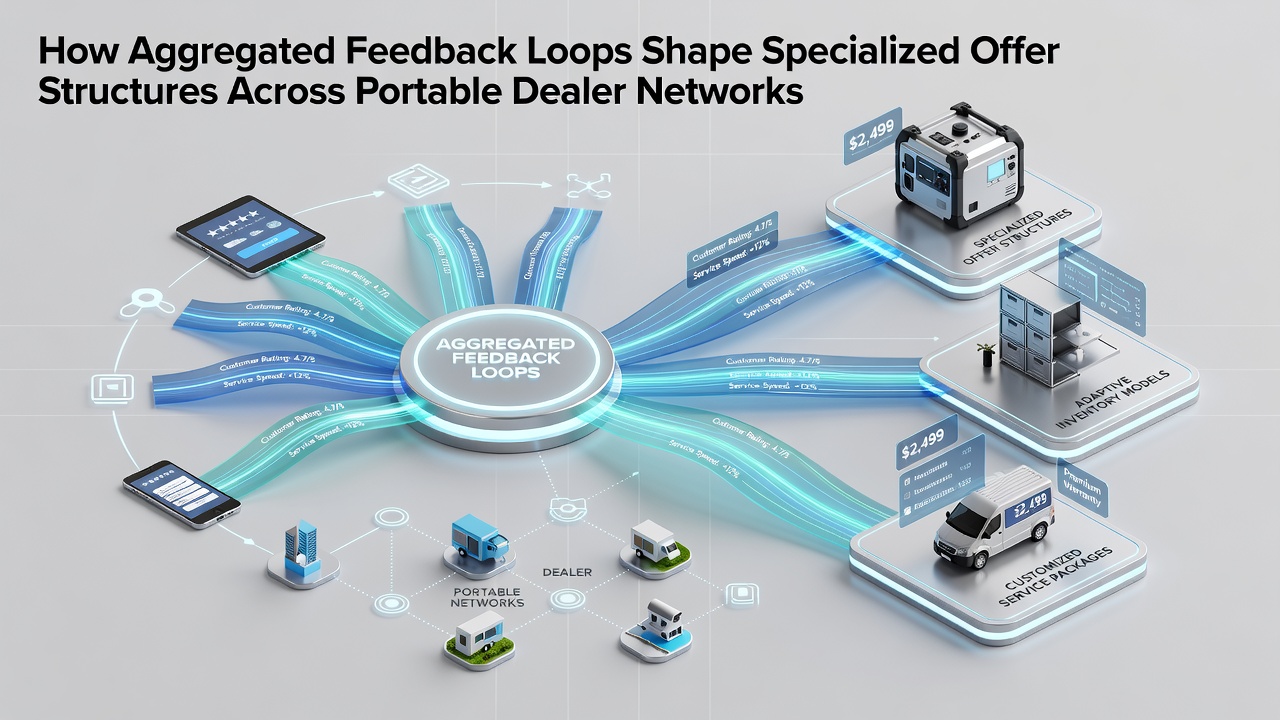
Portable dealer networks rely on real-time aggregation of player interactions to refine promotional structures, and data collected across multiple sessions reveals consistent patterns in how these systems adapt rewards. Operators track metrics such as session duration, bet frequency, and response rates to live prompts, then feed that information into algorithms that generate tailored incentives for individual accounts.
Mechanics of Data Aggregation in Mobile Live Environments
Systems gather inputs from handheld devices during interactive dealer sessions, compiling variables like game selection sequences and timing between wagers into centralized datasets. These datasets undergo processing that identifies clusters of behavior, allowing platforms to segment users without manual intervention. Research from the Canadian Gaming Association indicates that such aggregation occurs at intervals as short as every 15 minutes during peak hours, which enables rapid adjustments to offer parameters.
Specialized structures emerge when aggregated signals point to preferences for certain dealer styles or table limits, prompting the system to propose customized free-play credits or deposit-match percentages. The process avoids static templates because each cycle incorporates fresh inputs from thousands of concurrent sessions, creating a dynamic environment where offers evolve based on collective trends rather than isolated actions.
Influence on Incentive Tiers and Settlement Pathways
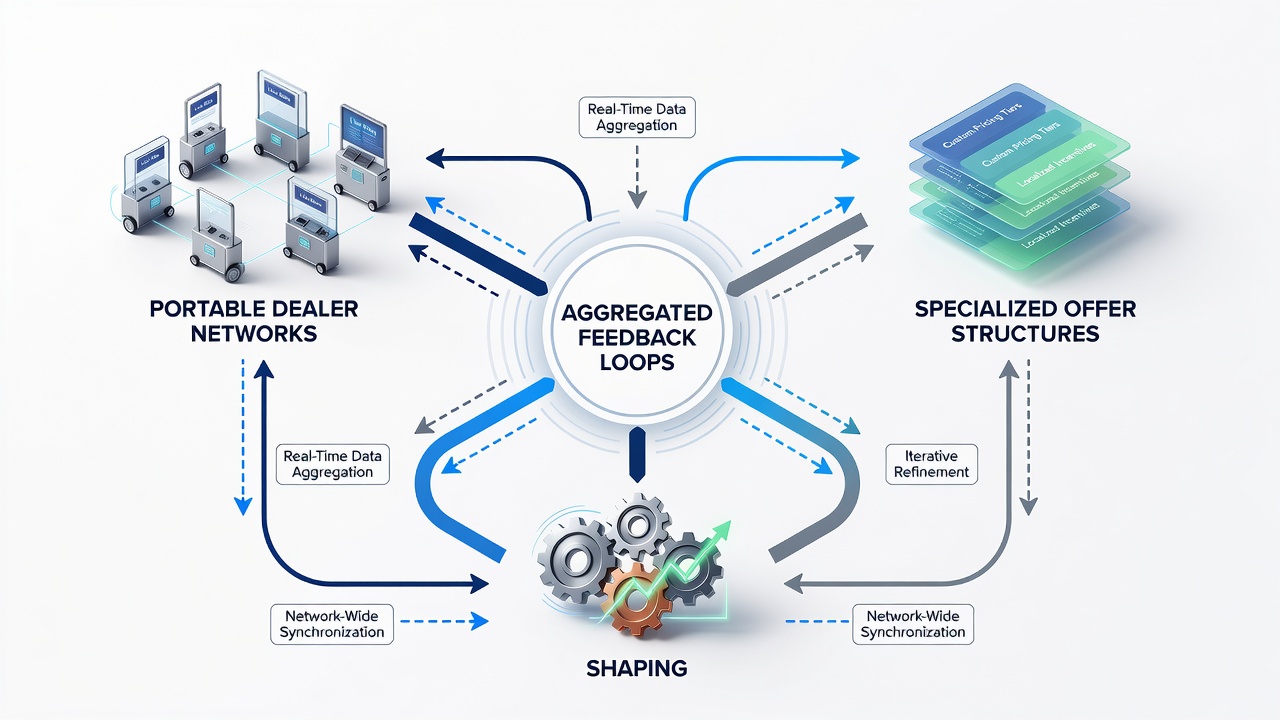
Feedback mechanisms directly affect how reward tiers form, particularly when settlement velocity data combines with engagement scores. Platforms observe that users who complete transactions within narrower time windows receive prompts for accelerated bonus releases, while slower patterns trigger different structures that emphasize extended play periods. This differentiation occurs automatically through rule sets refined by prior aggregation cycles.
One documented case from European operators in early 2026 showed that networks integrating settlement speed metrics into feedback models produced a 22 percent increase in repeat session rates among high-frequency participants. The adjustment stemmed from rerouting promotional resources toward offers that aligned with observed payout preferences, rather than applying uniform bonuses across all accounts.
Regional Variations in Offer Customization
Portable networks operating across jurisdictions demonstrate distinct adaptations based on aggregated regional data. In markets where regulatory frameworks emphasize player protection disclosures, feedback loops incorporate compliance signals that shape how offers present terms and conditions. Australian regulatory reports from the past year highlight similar patterns where aggregated withdrawal request data led to revised bonus structures that front-loaded smaller, more frequent rewards.
North American platforms, by contrast, often emphasize velocity metrics tied to deposit methods when refining elite-tier incentives. Data processed through these loops reveals correlations between preferred funding channels and acceptance rates of high-value promotions, leading to targeted structures that favor specific settlement options for qualifying accounts.
June 2026 Platform Updates and Metric Integration
Updates rolled out across several major portable dealer networks in June 2026 introduced enhanced aggregation layers that cross-reference live session feedback with historical offer redemption rates. These layers enabled finer segmentation, allowing systems to distinguish between transient engagement spikes and sustained behavioral patterns before finalizing personalized rewards.
Industry analyses from the Interactive Gaming Council note that the June enhancements reduced offer rejection rates by incorporating multi-session feedback windows, which prevented premature adjustments based on single-event anomalies. The changes also facilitated tighter integration between feedback outputs and backend settlement processors, streamlining how customized incentives reach user accounts.
Longer-Term Effects on Network Architecture
Over successive quarters, aggregated loops contribute to structural shifts in how portable networks allocate promotional budgets. Platforms that consistently apply these mechanisms report more precise matching of reward types to user cohorts, which in turn influences overall network capacity planning. Observers note that such refinements appear in revised dealer scheduling protocols and table configuration options as well.
Continued monitoring by research institutions shows that feedback-driven specialization produces measurable differences in session length distributions across demographics. Networks utilizing these methods maintain flexibility to scale specialized offers without expanding infrastructure proportionally, because the aggregation process identifies high-impact adjustments at the dataset level rather than through individual account management.
Conclusion
Aggregated feedback loops continue to drive specialization within portable dealer networks by converting raw interaction data into actionable offer parameters. The resulting structures reflect ongoing synthesis of settlement patterns, engagement velocities, and regional compliance factors, creating adaptive systems that respond to collective inputs. As platforms refine these processes, the connection between feedback aggregation and promotional design remains central to operational efficiency across mobile live environments.