How Aggregate Session Patterns Drive Custom Reward Adjustments Across Digital Table Networks
Written by Viktor Wolf · Jul 25, 2026
How Aggregate Session Patterns Drive Custom Reward Adjustments Across Digital Table Networks
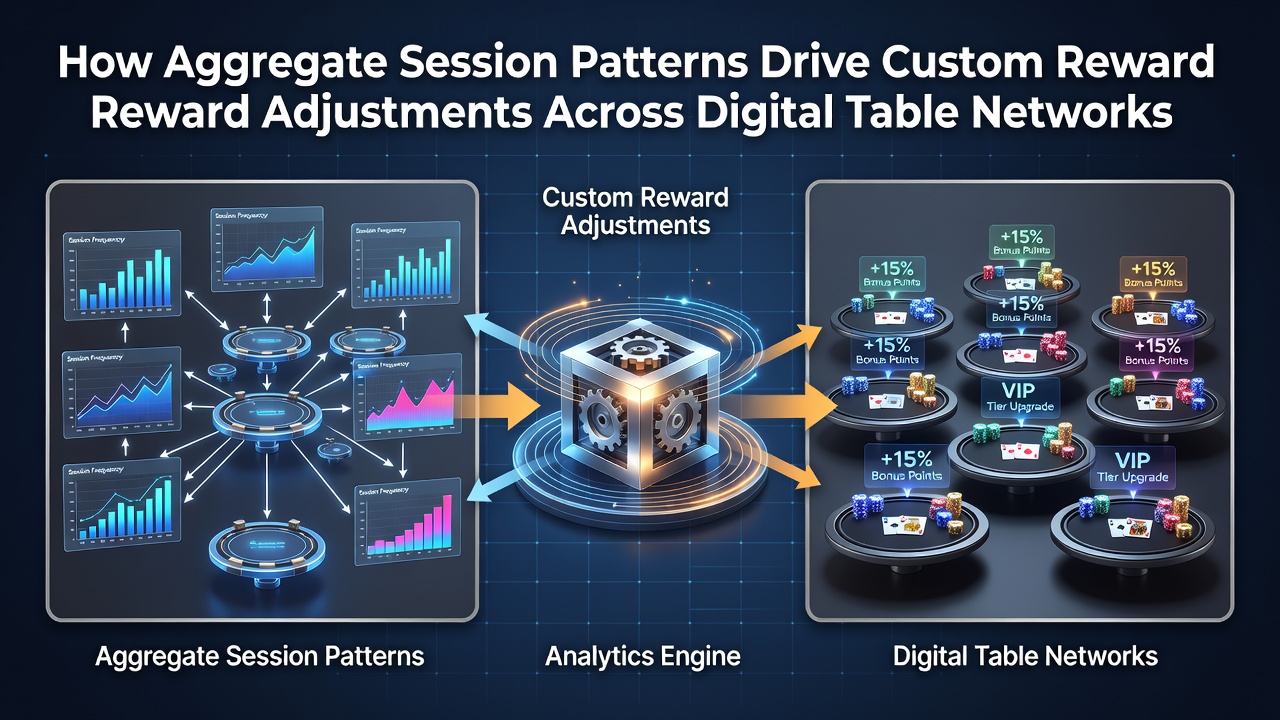
Digital table networks collect vast amounts of session data from online blackjack, roulette, and poker platforms, where aggregate patterns in play duration, bet sizing sequences, and interaction frequency directly inform how operators calibrate personalized reward structures. These networks process information across thousands of concurrent sessions, allowing systems to identify clusters of behavior that trigger adjustments to bonus multipliers, cashback percentages, and loyalty point accrual rates without manual intervention.
Data Aggregation in Digital Table Environments
Platform operators compile metrics such as average session length, variance in wager amounts, and timing between consecutive hands or spins into centralized datasets that update in real time. When researchers at the Australian Institute of Family Studies examined similar network traffic in 2025, they noted that sessions exceeding 45 minutes with consistent mid-range betting often correlated with higher retention rates, prompting automatic elevation of reward tiers for matching profiles. Such aggregation avoids individual tracking in isolation and instead relies on group-level signals that maintain player anonymity while refining offer delivery.
Systems further segment patterns by time of day and device type, since mobile sessions tend to show shorter bursts compared to desktop play. This segmentation feeds into algorithms that recalibrate rewards every few hours, ensuring that participants who demonstrate steady engagement receive incremental boosts to their custom offers while those with sporadic activity see standard baseline incentives.
Session Metrics Influencing Reward Calibration
Key indicators include the ratio of winning streaks to total hands played, frequency of table switches within a single login, and the proportion of time spent in high-limit versus standard-limit rooms. Platforms integrate these signals to adjust reward parameters such as deposit match percentages or free spin allocations on table games. Data shows that users exhibiting low-variance betting across extended sessions receive targeted increases in weekly cashback rates, whereas high-variance patterns may trigger different structures focused on milestone bonuses rather than recurring percentages.
According to findings published by the Canadian Responsible Gambling Council in early 2026, networks that weighted session continuity metrics more heavily achieved tighter alignment between player activity and reward distribution. Operators apply these weights through machine learning models trained on historical datasets spanning multiple jurisdictions, allowing the system to predict which reward adjustments will sustain engagement without overextending promotional budgets.
Implementation Across Network Infrastructure
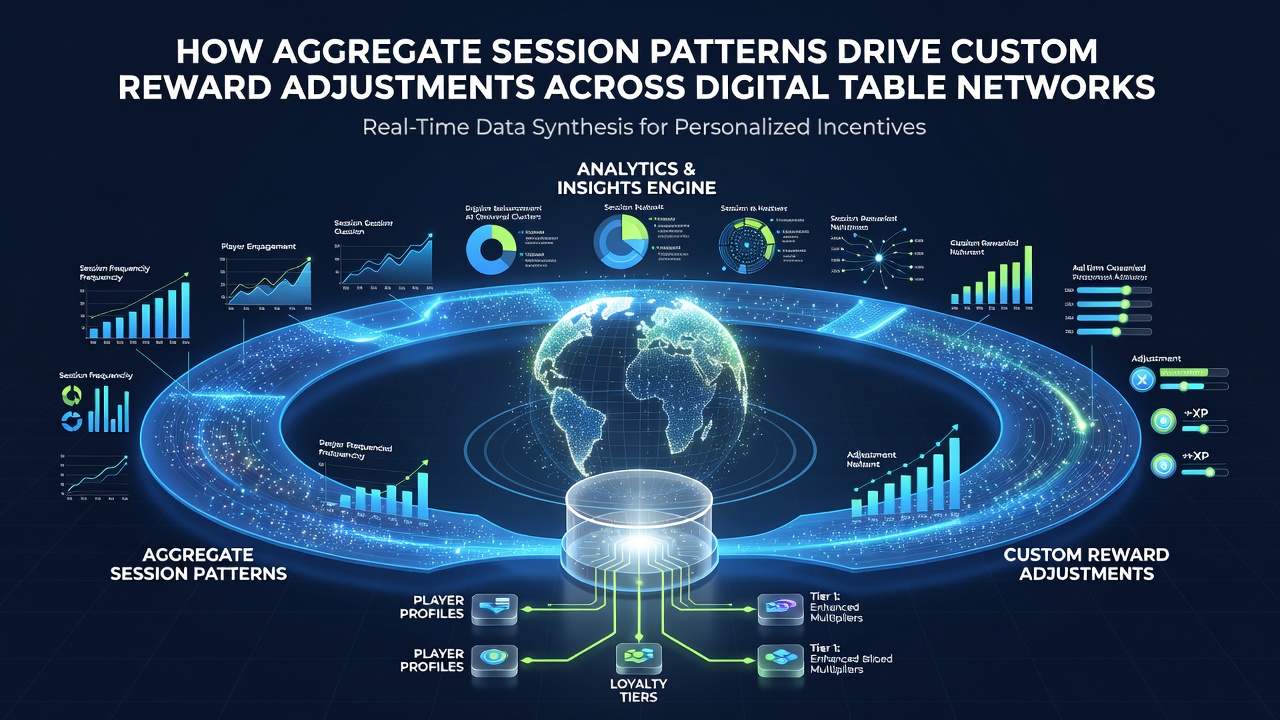
Backend infrastructure routes aggregated session data through secure pipelines that update reward engines every 15 minutes during peak periods. When July 2026 traffic reports indicated a 22 percent rise in cross-table sessions on major networks, several operators responded by expanding the granularity of their pattern detection to include multi-game sequences rather than single-title metrics alone. This shift allowed finer reward adjustments, such as granting additional loyalty points for players who moved between live dealer tables in a single extended session.
Integration with payment and verification layers ensures that reward changes take effect immediately after pattern thresholds are met. For instance, reaching a cumulative session total of 300 minutes within a seven-day window across the network can automatically unlock an elevated tier that applies only to table game wagers, leaving other verticals unaffected.
Regional Variations in Pattern-Based Adjustments
European operators tend to emphasize regulatory compliance when applying session-derived rewards, requiring that all adjustments remain within predefined risk parameters set by national oversight bodies. In contrast, platforms serving Australian markets incorporate additional layers that factor in responsible gambling indicators derived from the same aggregate datasets. These regional differences produce distinct reward structures even when the underlying session patterns appear similar across borders.
Industry reports from the European Gaming and Betting Association highlight that networks using cross-regional benchmarking have refined their models to account for cultural differences in session pacing, resulting in more precise custom offers that respect local market conditions.
Conclusion
Aggregate session patterns continue to shape how digital table networks distribute customized rewards by converting raw behavioral clusters into actionable adjustments at scale. As data collection methods grow more sophisticated through 2026 and beyond, the connection between collective play signals and individual reward tiers will likely tighten further, driven by infrastructure that processes these patterns continuously and applies changes without disrupting the player experience.