Deciphering Incentive Hierarchies Through Cross-Platform Comparisons in Digital Currency Gaming Ecosystems
Written by Clara Otto · Aug 3, 2026
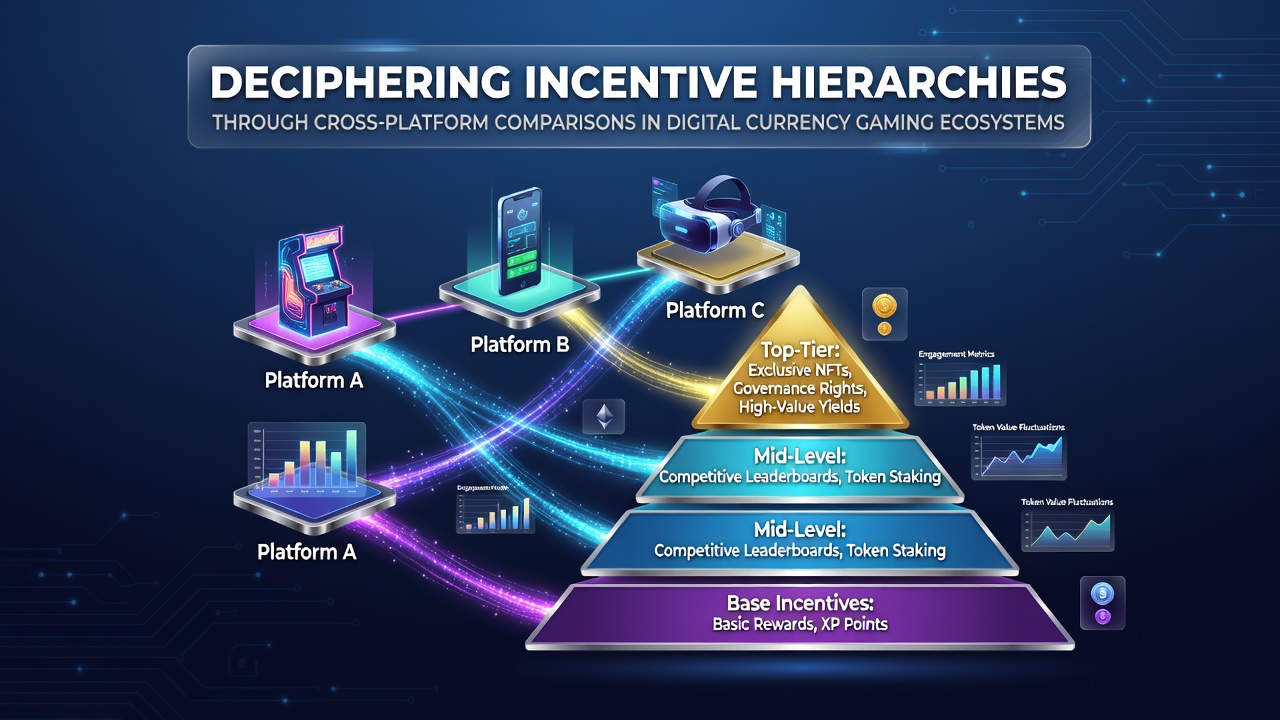
Deciphering Incentive Hierarchies Through Cross-Platform Comparisons in Digital Currency Gaming Ecosystems
Digital currency gaming ecosystems operate through layered incentive systems that vary significantly when examined across multiple platforms and blockchain networks. Researchers tracking these structures have documented how reward tiers emerge from differences in transaction volumes, user engagement metrics, and settlement protocols that each ecosystem employs. Data from platform analyses in 2025 revealed consistent patterns where higher-volume participants received accelerated access to premium reward brackets on certain networks while facing slower progression on others.
Platform Variations in Reward Tier Construction
Cross-platform examinations show that incentive hierarchies often begin with base-level entry points tied directly to initial cryptocurrency deposits and expand through sustained activity thresholds. Some ecosystems prioritize rapid accumulation of loyalty points through frequent small transactions, whereas others weight larger single deposits more heavily in their algorithms. Observers note that platforms built on faster blockchains tend to unlock mid-tier benefits earlier in the user lifecycle compared to those relying on networks with longer confirmation periods.
August 2026 brought additional clarity to these dynamics as several major operators published updated transparency reports detailing their reward distribution models. These reports highlighted how certain platforms adjusted tier boundaries after observing competitor performance metrics, creating measurable shifts in user migration patterns between ecosystems. Industry analysts tracking these movements found that participants frequently compared payout speeds and bonus multipliers before committing to a single platform long-term.
Blockchain Network Influences on Incentive Allocation
Evidence from aggregated platform data indicates that the underlying blockchain technology directly shapes how incentives flow through each system. Networks supporting lower transaction fees enable more granular reward distributions, allowing operators to offer micro-incentives that accumulate into higher-tier status over shorter timeframes. In contrast, platforms operating on higher-fee networks concentrate rewards into fewer but more substantial offerings at each tier level.
Those who've studied these ecosystems point to specific cases where users migrating between platforms discovered their accumulated activity metrics reset or recalibrated according to the destination network's rules. One documented example involved participants moving from a proof-of-stake environment to a layer-two scaling solution, where their prior transaction history translated into elevated starting positions within the new incentive structure. Such recalibrations demonstrate how technical infrastructure choices create competitive advantages or disadvantages across digital currency gaming offerings.
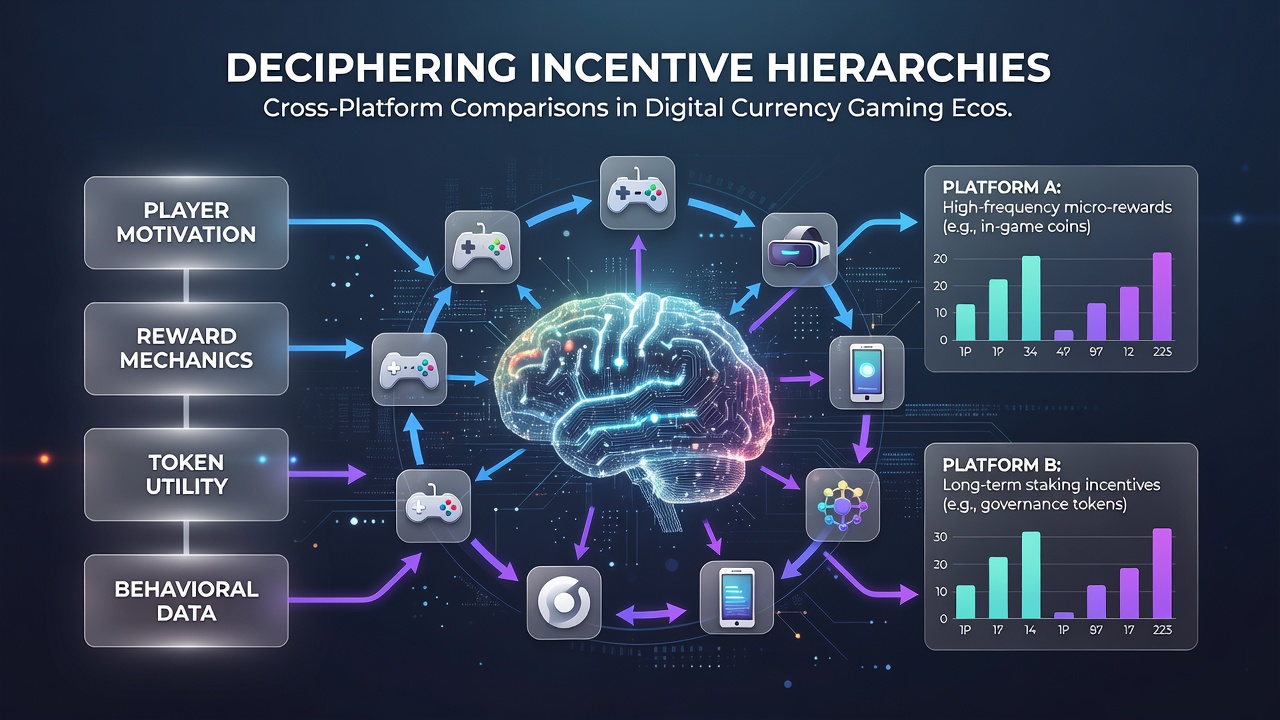
Comparative Analysis of Loyalty Mechanisms
Comparative studies across ecosystems reveal distinct approaches to loyalty program architecture. Some platforms integrate progressive multipliers that scale with consecutive days of activity, while others employ milestone-based systems that reward cumulative volume regardless of timing. Data compiled by the Responsible Gambling Council shows measurable differences in retention rates between these models, with volume-based systems demonstrating stronger long-term engagement among higher-tier participants.
Additional comparisons from Australian research sources illustrate how geographic regulatory environments intersect with platform incentive designs. Platforms serving regions with stricter oversight requirements often embed compliance checkpoints into their reward progression paths, creating additional layers that slower networks struggle to accommodate efficiently. These structural differences become particularly visible when users evaluate options across borders or when operators expand into new markets.
Emerging Patterns in Cross-Platform User Behavior
Tracking data from multiple ecosystems reveals that experienced participants routinely maintain presence across several platforms simultaneously to maximize access to varied incentive structures. This multi-homing behavior allows users to exploit differences in tier progression speeds and reward types without committing exclusively to one environment. Platform operators have responded by introducing cross-ecosystem recognition features in limited cases, though such initiatives remain experimental as of late 2026.
Research indicates that settlement velocity and fee structures continue to serve as primary differentiators when users rank platforms for long-term participation. Those comparing options systematically weigh these technical factors against the specific incentive hierarchies each ecosystem offers, creating ongoing competitive pressure that drives refinement of reward models across the sector.
Conclusion
Cross-platform comparisons continue to expose the intricate relationships between technical infrastructure choices and incentive hierarchy design in digital currency gaming. The patterns documented through ongoing analyses demonstrate that reward distribution mechanisms remain fluid, adapting to both technological advancements and competitive pressures within the ecosystem. As platforms refine their approaches, participants gain clearer visibility into how different structures align with their activity patterns and preferences.