Analyzing Cross-Device Sync Effects on Tiered Reward Eligibility in Blockchain Dealer Networks
Written by Alex Hoffmann · Jul 15, 2026
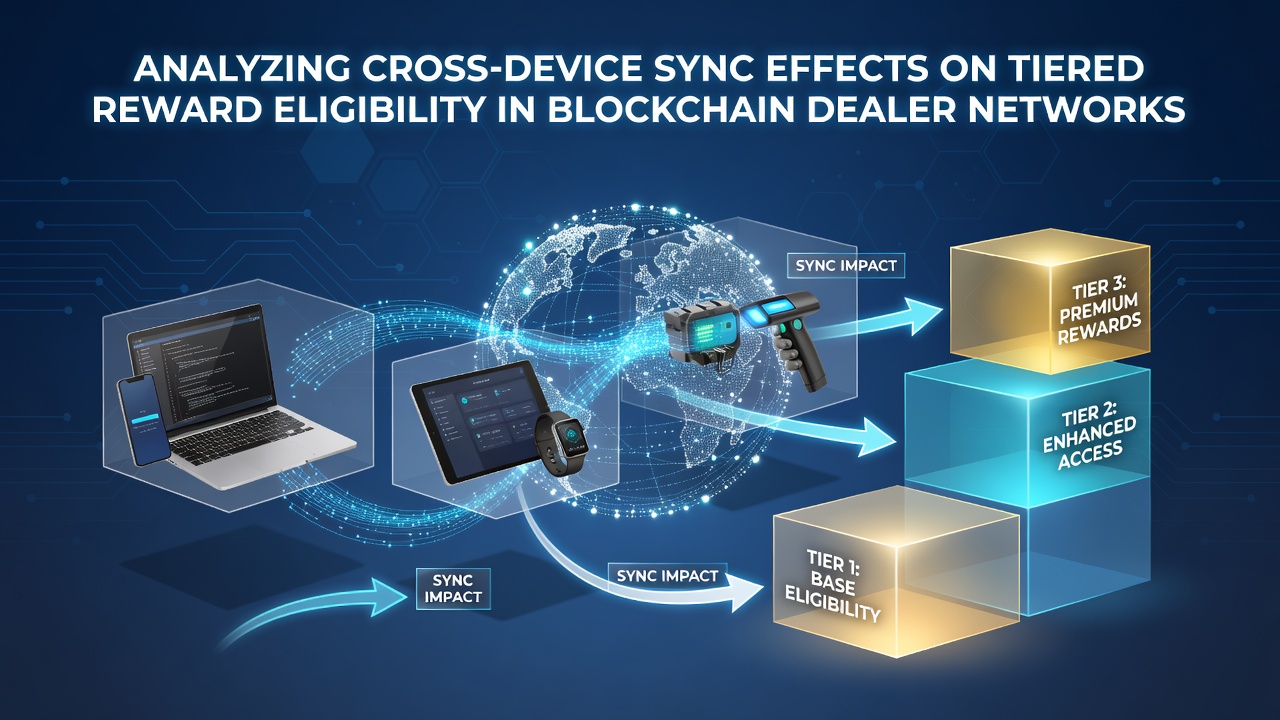
Analyzing Cross-Device Sync Effects on Tiered Reward Eligibility in Blockchain Dealer Networks
Blockchain dealer networks integrate distributed ledger technology with live interactive gaming platforms to manage dealer interactions and reward structures in real time. Cross-device synchronization allows users to maintain continuous activity records when switching between mobile applications, desktop interfaces, and tablet environments. This process directly influences how tiered reward eligibility gets calculated because activity metrics must align across all connected endpoints without data loss or duplication.
Core Mechanisms of Device Synchronization in Blockchain Systems
Platforms record user actions such as wager volumes, session durations, and dealer interactions on a shared ledger that updates through consensus protocols. When a user moves from one device to another, synchronization protocols pull the latest block data and reconcile it with local caches. Delays in this reconciliation can shift the timing of tier progression because eligibility thresholds depend on cumulative verified activity rather than isolated device logs.
Researchers at various institutions have documented how latency in peer-to-peer node communication affects these updates. Data from operational networks shows that synchronization intervals typically range from seconds to several minutes depending on network congestion and device connectivity quality. Those intervals matter because reward algorithms evaluate eligibility at fixed checkpoints, and any gap in recorded activity may push a user below the required threshold for the next tier.
Impact on Tier Progression and Eligibility Verification
Tiered reward programs assign benefits according to cumulative metrics that include total wagers placed, frequency of dealer sessions, and consistency of participation across calendar periods. Cross-device sync ensures these metrics aggregate correctly, yet incomplete synchronization can fragment the data trail. Observers note that users who frequently alternate between devices sometimes experience temporary holds on tier advancement until all activity logs merge into a single verified state on the blockchain.
Studies of platform analytics indicate that synchronization failures occur most often during high-traffic periods when multiple nodes process concurrent transactions. In such cases the system prioritizes ledger integrity over immediate reward updates, which means eligibility checks may reference an earlier synchronized state. This creates a lag that affects users attempting to qualify for higher tiers during promotional windows, including those scheduled around mid-2026 expansion cycles.
Patterns Observed in July 2026 Network Analyses
Reports compiled from blockchain gaming platforms active in July 2026 reveal measurable correlations between device-switching frequency and tier retention rates. Networks that implemented enhanced conflict-resolution algorithms during synchronization showed steadier progression for multi-device users compared with earlier versions of the same systems. Figures from these analyses demonstrate that platforms using optimized Merkle tree verification reduced eligibility disputes by measurable percentages.
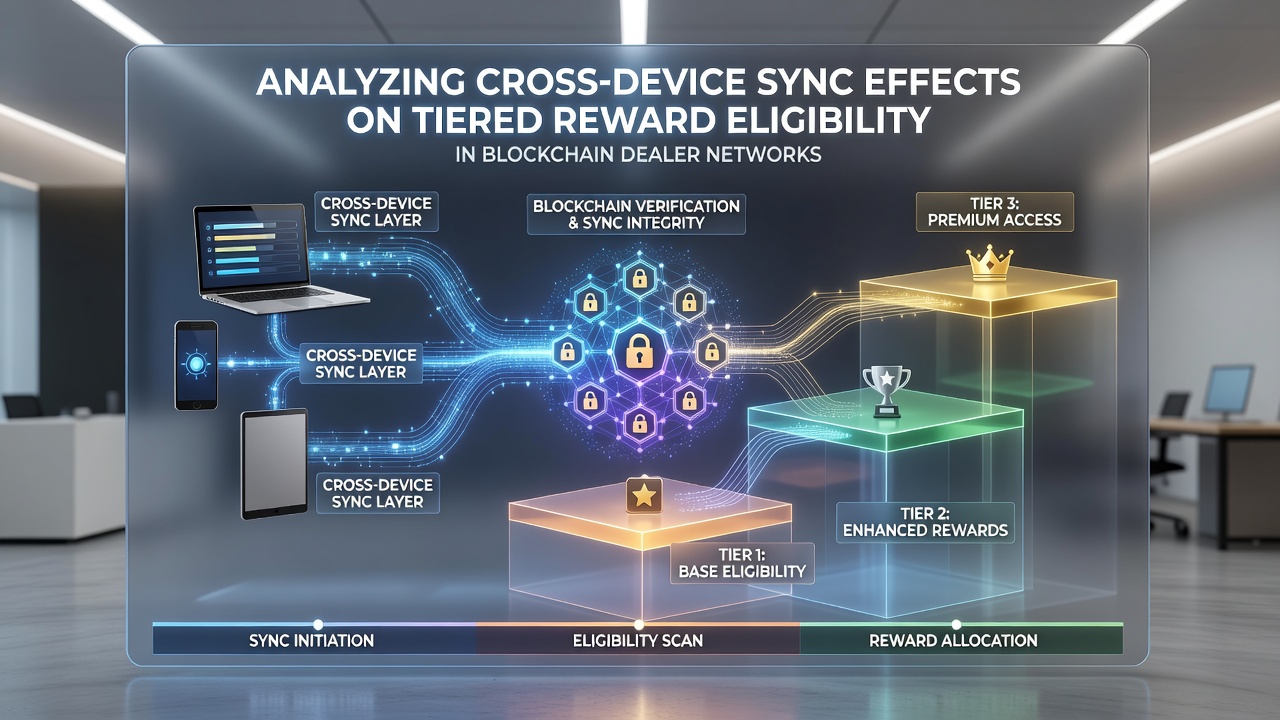
Industry organizations tracking blockchain applications in gaming have published summaries that link settlement velocity with reward allocation accuracy. When synchronization completes within defined time windows, users retain uninterrupted access to tier benefits. Extended sync times, by contrast, correlate with temporary downgrades until the next verified checkpoint restores full eligibility status.
Technical Factors Influencing Sync Accuracy
Key variables include blockchain block confirmation times, device cache expiration policies, and the presence of offline modes that queue transactions for later reconciliation. Networks employing state-channel solutions allow partial activity recording during connectivity gaps, then batch-upload those records once synchronization resumes. This approach reduces data fragmentation but still requires final ledger confirmation before reward algorithms accept the updated totals.
Analyses conducted by academic research groups show that hybrid architectures combining on-chain verification with off-chain computation achieve faster sync results while preserving auditability. Those architectures handle device handoffs by creating temporary side records that merge into the main chain once consensus is reached, minimizing the window during which eligibility calculations might reference incomplete data.
Regulatory and Operational Considerations
Gaming authorities in multiple jurisdictions require transparent reporting of how user activity data gets aggregated across devices. Compliance documentation must demonstrate that synchronization processes do not introduce bias into reward distribution. Platforms address these requirements through auditable smart contracts that log every sync event and its outcome, allowing regulators to review the chain of custody for activity records.
One Ontario regulatory summary outlines expectations for data integrity in digital gaming environments, while another University of Nevada research compilation examines technical standards for blockchain implementations in interactive dealer settings. Both sources emphasize verifiable aggregation methods that support fair tier assignment regardless of device usage patterns.
Conclusion
Cross-device synchronization serves as a foundational element in blockchain dealer networks because it determines whether tiered reward eligibility reflects a user's complete activity history. Technical improvements in reconciliation speed and conflict resolution continue to narrow gaps that previously affected progression. Continued monitoring of synchronization performance remains essential for maintaining consistent reward structures as these networks expand through 2026 and beyond.